sustainable-technology-computing
100% Online Master of Science Degree

Power the Future.
Protect the Planet.

Develop the skills redefining how the world builds, uses, and sustains technology.

Choose Your Next Step

Your way. We’re here when you need us.

Unity’s online programs are trusted by over 10,000 students across all 50 states.
88% of Unity graduates are employed or earning advanced degrees within 6 months.
Program Overview

Sustainable Technology and Computing

This master of science degree program combines sustainability science, systems thinking, and life cycle assessment to integrate environmental and social responsibility into every stage of the technology lifecycle.

Career Outlook: Sustainable Computer Systems Analysts in the U.S.

527 K
Number of jobs in 2024*
11 %
Est. job growth through 2034*
$ 104 K
Median annual salary in 2024*

*Source: O*Net/U.S. Bureau of Labor Statistics. Unity Environmental University cannot guarantee employment. Salary data represents averaged earnings for the occupations listed and includes workers at all levels of education and experience.

Next Start Date
June 1, 2026
Program Details
Online Learning
12 Months
Master's (30 Credit)
$550/credit (~$16.5k)
CAREER OUTCOMES

What Can I Do With a Master’s Degree in Sustainable Technology and Computing?

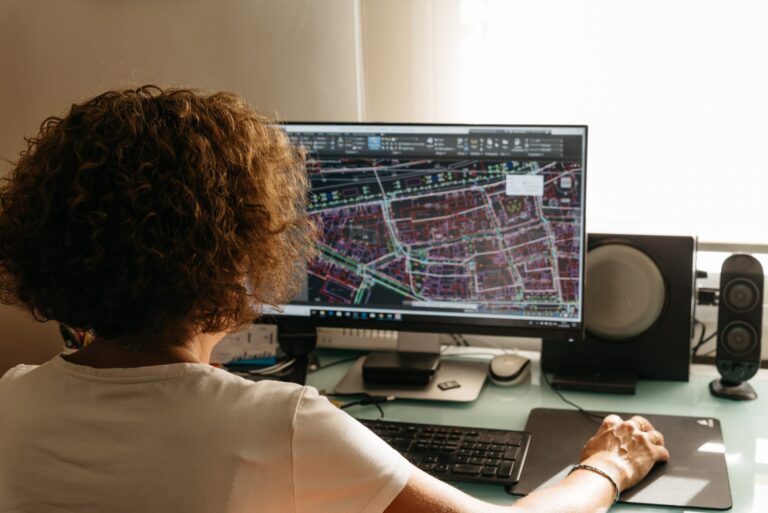
GIS-map-on-computer

Green IT Manager

Reduce energy and resource consumption across technology infrastructure.

Close up of a man working on a computer.

Environmental Software Engineer

Build tools that support environmental monitoring and sustainability.
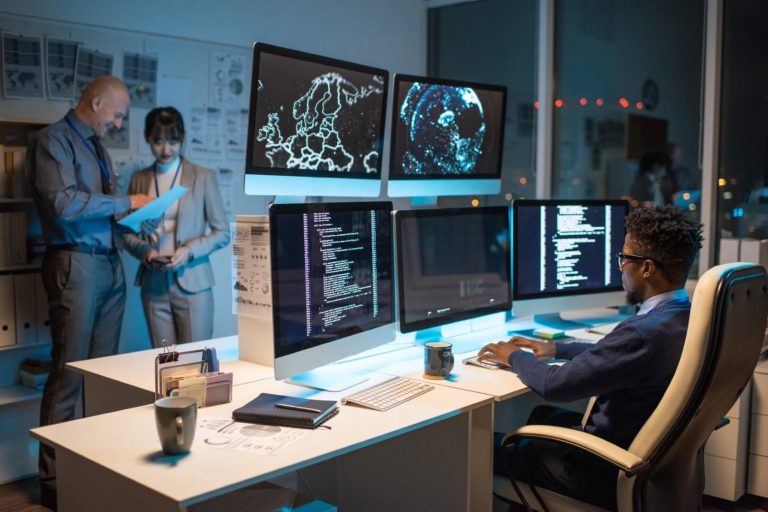
Young African businessman looking at data on computer screen while sitting in armchair in front of several monitors and typing

Data Center Sustainability Analyst

Optimize data facility operations for minimal environmental impact.
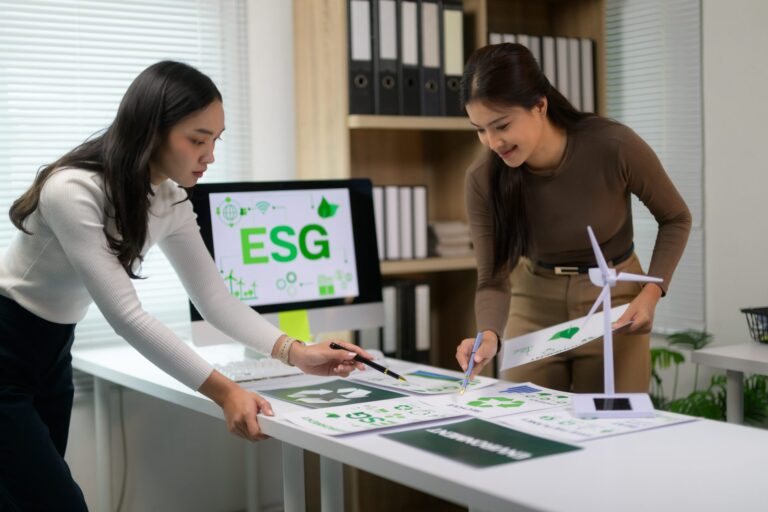
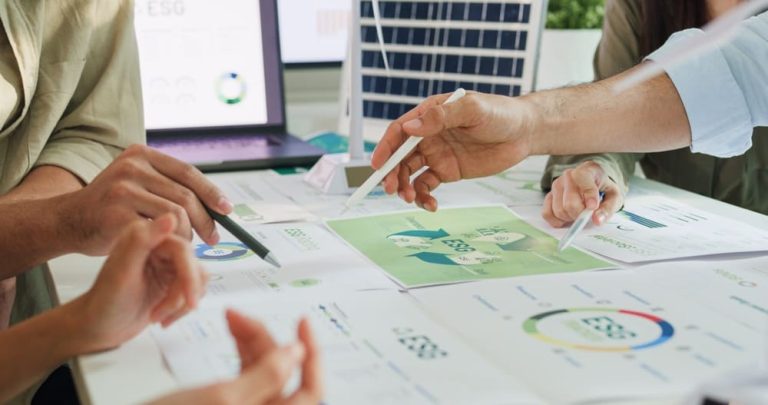
women-collaborating-on-esg-strategy-and-environmen-2025-10-05-08-01-17-utc

Clean Technology Product Manager

Lead development of products that solve environmental challenges.
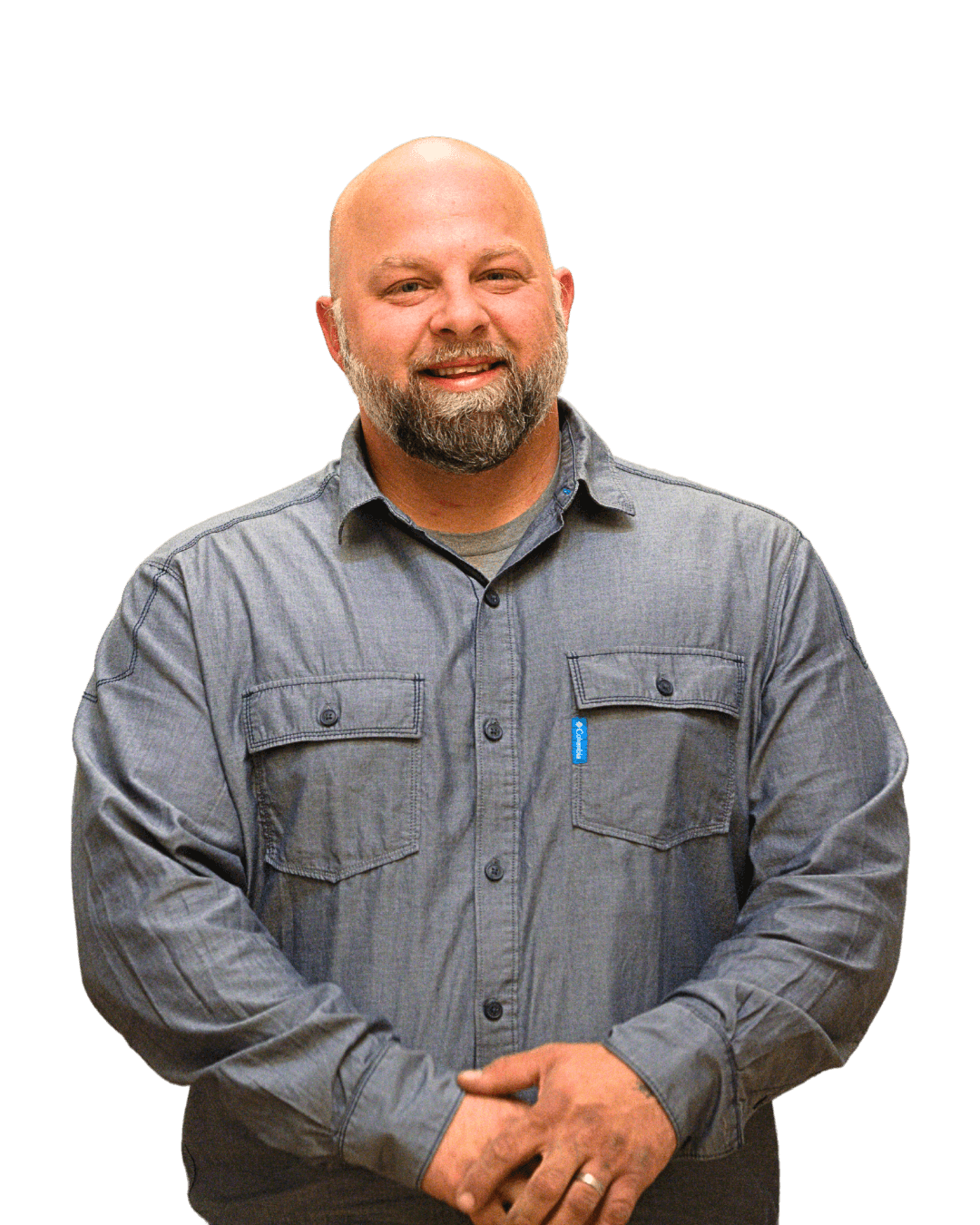
Zachary Davis Cutoutv2

“Unity gave me the ability to just go out into the world…not to be confined to the classroom…”

Zachary Davis

MPS in Environmental Studies and Sustainability
Read Zach’s Full Quote
What you’ll learn

Lead the Sustainable Digital Revolution

  • Evaluate computing technologies for environmental sustainability using tools like life cycle assessment and circular economy principles
  • Apply sustainable design principles to improve the efficiency of computing systems and software
  • Analyze the ethical and social impacts of emerging computing technologies
  • Develop AI and data-driven tools that incorporate sustainability principles
  • Integrate computing, sustainability, and policy knowledge to create responsible technology solutions
  • Apply regulatory and ethical frameworks to guide sustainable technology development
young-female-software-developer
sustainable-university
Education with impact. Affordable Tuition. Simplified Financial Aid.

Ready to Make a Difference?

Take action for your career and help build a more sustainable future.

Start Your Degree
Awards and recognition

Proudly Recognized for Excellence

NECHE
NC_SARA_Seal 1
Forbes
SMI-2025-award-v2
Military-Friendly-School
MFSpouseFriendlyBadge

Tuition Rate Lock

Unity’s tuition is locked through 2030, meaning your rate won’t increase while you’re enrolled, providing cost certainty from start to finish.

Total Tuition Cost: $16,500

The total degree tuition falls below the annual federal Direct Unsubsidized Loan limit, making it possible to finance your education without relying on additional private loans.

Military Friendly

Unity supports active-duty service members, veterans, and their families with a reduced tuition rate of $535/credit. VA education benefits, including the GI Bill®, Chapter 31, Chapter 35, Active Duty TA and others, may be used toward the cost of your degree.

flowers-e1776472602727
NO SURPRISES. NO UNNECESSARY FEES.

Transparent, Predictable Pricing

See why 98% of Unity students don’t need private loans.

icon investigation

Affordable, Transparent Tuition

With no hidden fees!

icon-budget

Flexible Payment Options

Plans that fit your budget.

icon-lock

Locked-In Tuition

7 years with no tuition increase.

icon hand

Earn While You Learn

Work full-time while studying.

icon-calculator

Personalized Financial Plan

Know your cost before you start.

icon-book

Low Textbook Costs

Free materials in most courses.

Never an Application Fee

Apply For Free

Learn from Leaders

faculty_reena-john-pic

Learn from Leaders

MS in Marine and Environmental Science, BS in Biology

Reena John

Global Expert in Data Science
More Info
faculty_samira-safaee
Learn from Leaders

PhD in Soil and Environmental Data Science, MSc in Geography

Samira Safaee

Global Expert in Geoscience & Data Science
More Info
faculty_nancy-kristiansen
Learn from Leaders

MA in Adult and Organizational Learning

Nancy Kristiansen

Global Expert in Sustainability and Quality Improvement
Learn More About Nancy Kristiansen

More Stories

Reena John
Global Expert in Data Science
Samira Safaee
Global Expert in Geoscience & Data Science
Nancy Kristiansen
Global Expert in Sustainability and Quality Improvement
FAQ

Have Questions About the Master of Science in Sustainable Technology and Computing?

Sustainable technology and computing focuses on creating and managing technology in ways that protect the environment and promote responsible practices. It looks at every stage of a technology’s life, from design and materials to daily use and disposal, finding ways to reduce its impact. Tools like energy efficiency planning, life cycle assessments, and circular economy models help make technology greener and more responsible. The goal is to design technology that supports long-term sustainability.

The Master of Science (MS) in Sustainable Technology and Computing is a fully online graduate program that blends sustainability science, systems thinking, and technical computing. It prepares professionals to reduce the environmental impact of computing systems and promote responsible practices. Students learn practical approaches such as life cycle analysis, circular design, and energy-efficient systems, while developing AI and data-driven tools that incorporate sustainability principles.

The program also addresses the ethical and social impacts of emerging technologies and the regulatory frameworks that guide responsible development. Designed for working professionals, it opens doors to leadership roles in sustainable technology, environmental consulting, systems analysis, data science, and sustainability management.

The timeframe for completion is up to you! Enroll in 6 credits per term and complete the program within just one year. Alternatively, opt for part-time study by taking one course at a time. Whichever path you choose, we’re here to support your educational journey every step of the way.

Research Core: 15 credits

  • RSCH 510 Research Fundamentals
  • MATH 510 Tools and Technologies for Data Analysis
  • MATH 525 Quantitative Research Design and Statistics
  • MATH 530 Qualitative Research Design and Analysis
  • RSCH 610 Research Communication

Major Program Core: 15 credits

  • TECH 5XX Foundations of Sustainable Technology and Computing
  • SUST 5XX Life Cycle Assessment and Circular Design
  • TECH 5XX Energy-Efficient Systems and Green IT
  • TECH 6XX AI for a Sustainable Planet
  • TECH 6XX Sustainable Technology Studio

The MS degree is a traditional graduate program focused on deepening scientific understanding through research and academic study. Students typically specialize in a particular field of science and learn the research skills related to their discipline.

The MS program is centered around developing a strong foundation in research and scientific inquiry:
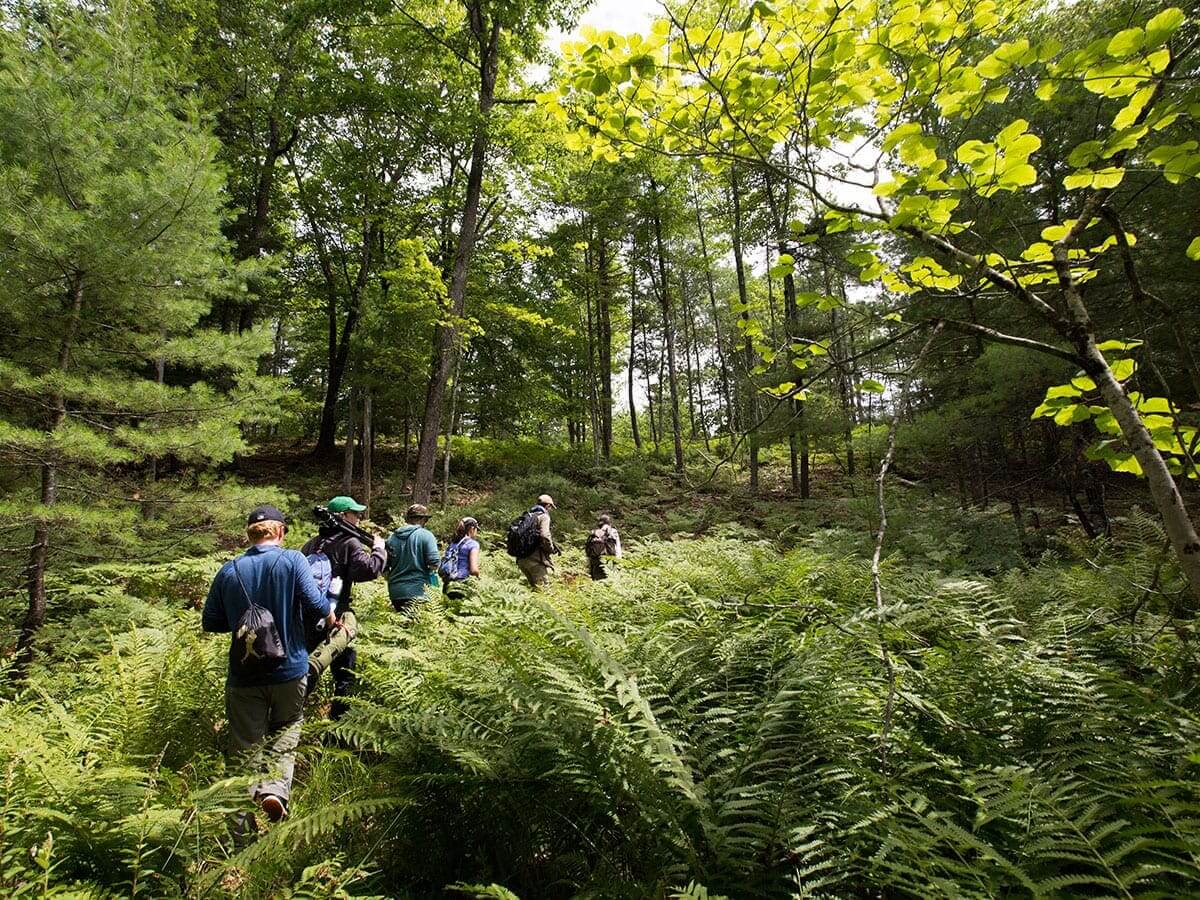
  • Research Methodology: Students learn how to design and conduct experiments, collect and analyze data, and interpret results within the context of their scientific discipline.
  • Critical Thinking: The program emphasizes the ability to think analytically and critically about scientific problems, forming the basis for sound research and decision-making.
  • Technical Expertise: Depending on the field of study, students may acquire advanced technical skills in areas such as data collection techniques, fieldwork, GIS mapping, computational modeling, or statistical analysis.
  • Academic Writing: The ability to write clearly and effectively is honed, particularly through the process of producing a thesis or research papers suitable for publication.
WildlifeConservation-8_w
Next term starting soon

Advance Your Career Now

Free Application. No Essay or Exams. Financial Aid Available.

Apply in Minutes
Still Deciding?

Check Out These Related Programs

153467120_sustainable_finance

MPS in Sustainable Finance

environmental-data

MS in Environmental Data Analytics

climate-ready-business

SMBA in Climate-Ready Business