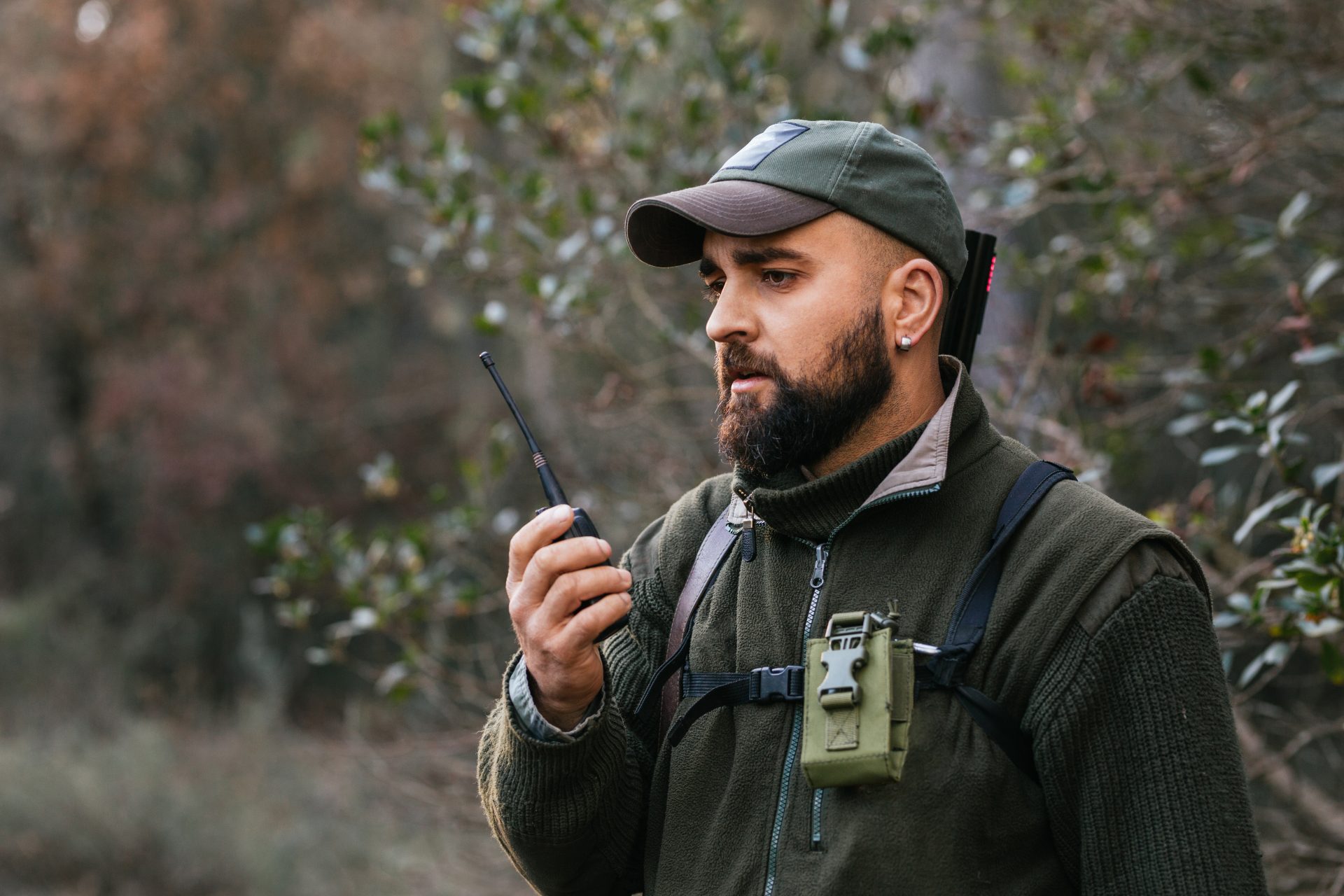
ranger-talking-to-someone-on-a-walkie-talkie-while-2025-01-09-18-32-31-utc
Find another program

Conservation Law Enforcement
Bachelor of Science in Conservation Law Enforcement

Prepare for a career enforcing wildlife, fisheries, and public lands law.

PROGRAM OVERVIEW

Conservation Law Enforcement Degree Overview

Whether you’re interested in marine patrol, forest management, conservation enforcement, or wildlife protection, this conservation law enforcement degree builds the science and law enforcement skills each career requires.

This in-person bachelor’s degree pairs coursework in ecology, criminal justice, wildlife and marine law enforcement, and courtroom procedure and evidence with firearms training and a required internship, so you graduate with both the science background and the law enforcement training the field expects.

Next Start Date
November 16, 2026
Program Details
In-person Learning
2.5 – 5 Years
Bachelor of Science

Learning Outcomes

  • Explain the integral role of conservation law enforcement officers within the American criminal justice system, informed by experiential learning in ecology, wildlife, and marine law enforcement, as well as courtroom procedure and evidence.
  • Apply field-based knowledge and skills acquired through experiential learning in ecology, wildlife, and marine law enforcement, along with firearms training, to demonstrate best practices in diverse natural environments.
  • Demonstrate clear and precise written and oral communication abilities, honed through coursework in criminal justice, courtroom procedure and evidence, and experiential learning in ecology and wildlife law enforcement.
  • Adapt communication strategies to cater to varied audiences, including biologists, conservation groups, and outdoor sports clubs, as cultivated through experiential learning in ecology, wildlife law enforcement, and courtroom procedure and evidence.
  • Describe ethical obligations and equitable enforcement standards, as emphasized in the curriculum’s focus on environmental conservation and wildlife protection.
  • Complete an internship or capstone experience that builds practical, career-ready skills for conservation law enforcement.
shutterstock_1286707000-qnfqcn3q2lwc820froo30k9badpjar6yqe5zan10lc
Career Outlook

Salary and Job Outlook for Conservation Law Enforcement Careers

5 ,770
Number of Fish and Game Warden Jobs in the U.S., 2025

$ 74 ,950
Mean Annual Pay for Fish and Game Wardens, 2025

Courses You’ll Take in This Program

MarizaSheriffDeputy-2-scaled-600×600

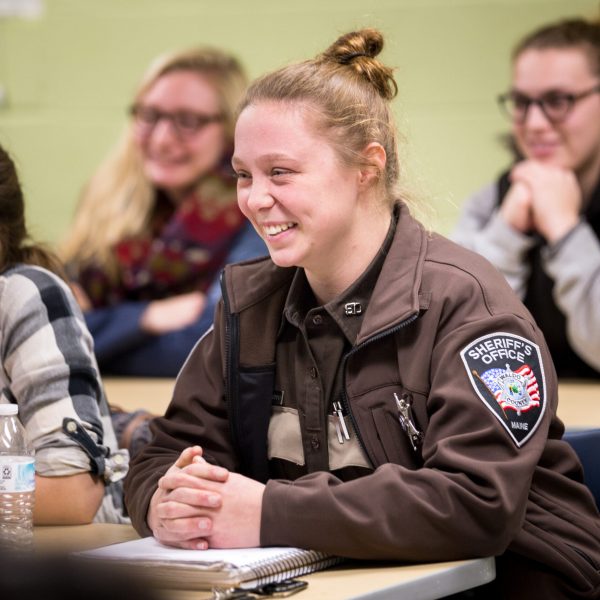
Substance Recognition: Practical Law Enforcement Skills

Explore current trends in substance use and assess these issues in a law enforcement context. Learn to identify a range of substances and their observable effects.
Bailey-Jeane-400×400

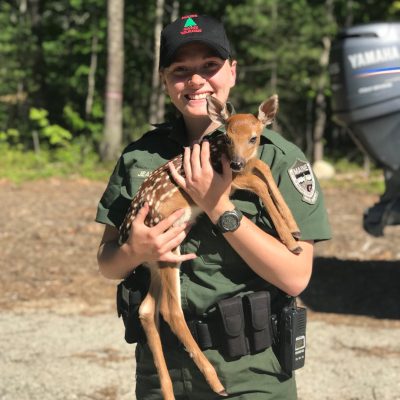
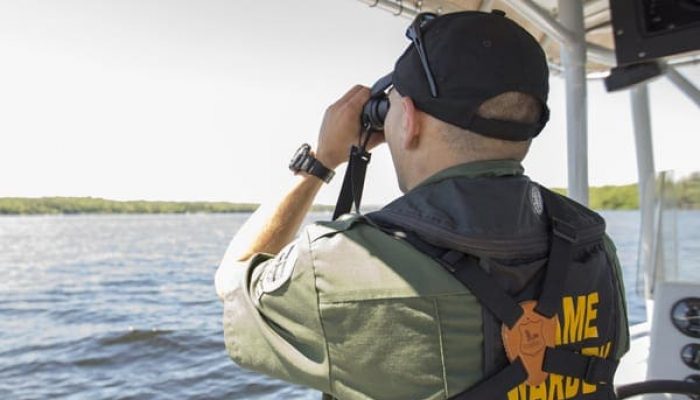
Safeguarding Nature: Wildlife and Marine Law Enforcement

Step into the vital role of wildlife and marine law enforcement, where you’ll focus on protecting and conserving our natural resources.
Conservation-Law-Masters-Program-2-qnks3y3p37kulchsyl93hiesyn9jfaa2e6szdx6y00

Wildlife Forensics: Crime Scene Investigations

Dive into the theories and fundamentals of the investigative process, including criminal investigations, investigative interviews, and interrogation techniques.

Credits and Coursework Requirements

To earn a Baccalaureate degree in Conservation Law Enforcement, you must complete:

  • General Education Core: 44 credits
  • Program Core: 39 credits
  • Electives: 37 credits

University Wide Requirements: A minimum of 120 earned credit hours, 30 credits at the 300 level or above, a minimum of 30 credits earned at Unity, and an overall cumulative GPA of 2.0 or above.
anthony-renovato-6HxC-fZjlI0-unsplash-1

Conservation Law Enforcement FAQs

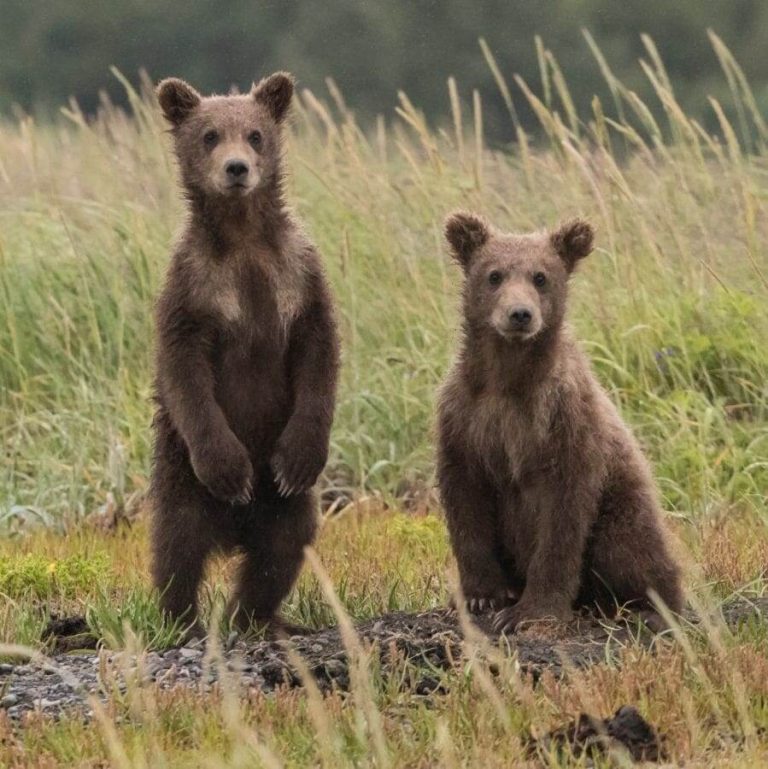
Most state and federal agencies prefer candidates with a bachelor’s degree in a related field, such as conservation law enforcement, criminal justice, or wildlife biology, in addition to completing the agency’s own academy training.

Game warden, park ranger, environmental compliance officer, and federal conservation law enforcement roles, along with marine patrol and wildlife forensics positions at the state and federal level.

A significant portion. Wildlife forensics, surveillance techniques, and law enforcement field operations are taught through in-person coursework and a required internship, not classroom instruction alone.

Why Study Conservation Law Enforcement at Unity

edit-IMG_8023-scaled-600×600

Specialized training in conservation law enforcement, firearms, and defensive tactics.

Specialized training in conservation law enforcement, firearms, and defensive tactics.
shutterstock_2097262258-qnfqccrebv4lm1a41a9g5cf5g79ibvf62uh7jwr6vo

Required internships with state and federal agencies, built into the program rather than optional.

Required internships with state and federal agencies, built into the program rather than optional.
Maine-Campus-Compact-Unity-College-Conservation-Law-for-web

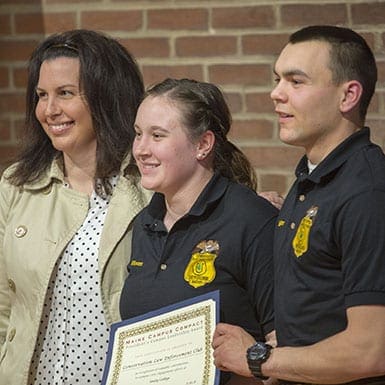
A single curriculum that blends criminal justice, ecology, and environmental law, instead of two separate degrees.

A single curriculum that blends criminal justice, ecology, and environmental law, instead of two separate degrees.

How Unity Prepares You for This Career

Environmental and sustainability-oriented programs provide the education and experience to launch your career.
mind

Career-Focused

Applied learning modeled around real world scenarios.

yoga

Flexible Learning Options

Attend in person or remotely, with dedicated instructors either way.

promotion

Applied Coursework

Master ecosystem processes and human-environment interactions that address environmental problems.

Ready To Launch a Career in Conservation Law Enforcement?

Apply today and start your journey in our upcoming 5-week term!