
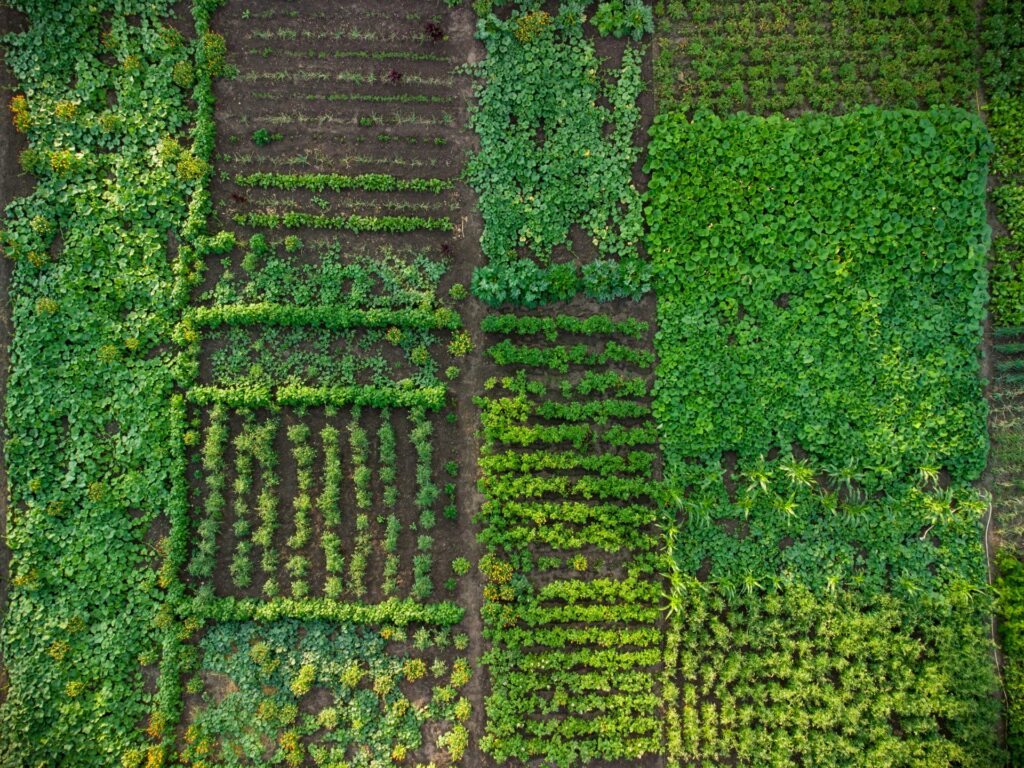
A Food Systems Director is the air traffic controller for regional food supply chains, coordinating farmers, processors, distributors, and institutions so nutritious food reaches communities without exhausting soil, water, or rural economies. You balance immediate needs like school lunches with long-term goals like climate resilience and food sovereignty. If you care about where food comes from and want leadership that shapes entire regions rather than single plates, this career offers purpose with professional structure.
What Does a Food Systems Director Actually Do?
Food Systems Directors oversee organizations or programs that strengthen regional food networks from farm to fork. They manage operations while advancing policy, equity, and sustainability goals.
On a typical week, you might:
- Coordinate logistics between farmers, food hubs, schools, hospitals, and grocery stores to maximize local procurement.
- Develop budgets, grant applications, and business plans to sustain food system infrastructure.
- Lead stakeholder meetings with producers, public health officials, economic developers, and community leaders.
- Analyze data on food access, farm viability, waste streams, and nutrition outcomes to guide strategy.
- Advocate for policy changes like procurement preferences or zoning reforms that support local food infrastructure.
- Oversee food safety, equity initiatives, and workforce training programs.
The role demands systems thinking, relationship building, and comfort with both numbers and narratives.
Where Do Food Systems Directors Work?
These leadership roles exist wherever communities recognize food as infrastructure essential to health, economy, and resilience.
Common employers include:
- Regional food policy councils and food system alliances.
- Nonprofit organizations managing food hubs, urban agriculture, or farm-to-institution programs.
- University extension services and cooperative extension systems.
- State departments of agriculture, health, or economic development.
- Hospital systems, school districts, or municipal governments with comprehensive food strategies.
- Tribal food sovereignty initiatives and First Nations food security programs.
Roles span urban, suburban, and rural areas, often serving multi-county regions. Many positions offer hybrid schedules suitable for professionals balancing family responsibilities.
Career Trajectory: From Coordinator to Regional Director
Food Systems Directors typically progress from program management to strategic leadership over 8-12 years, building both operational expertise and policy influence.
Program Coordinator → Food Systems Manager → Food Systems Director → Regional or State Food Systems Executive
- Entry-level (0-3 years): Food access coordinator, farm-to-school specialist, or program manager implementing specific initiatives like SNAP outreach or local procurement pilots.
- Mid-career (4-8 years): Food Systems Manager overseeing multiple programs, managing budgets over $500K, supervising small teams, and representing the organization regionally.
- Senior-level (8+ years): Food Systems Director setting 3-5 year strategy, securing multi-year funding, leading coalitions, and influencing state or federal policy.
Graduate education accelerates entry into management; demonstrated results drive advancement to director-level roles.
Food Systems Director Salary & Job Outlook
Food Systems Directors earn salaries comparable to nonprofit executive directors, sustainability directors, or regional economic development executives, typically in the $85K-$140K range depending on organization size and region.
| Career Stage | Typical Salary Range | What This Often Looks Like |
| Entry-level (0-3 years) | $50,000-$70,000 | Program coordinator managing grants, logistics, or specific food access initiatives. |
| Mid-career (4-8 years) | $70,000-$100,000 | Food Systems Manager overseeing multiple programs, budgets, and small teams. |
| Senior-level (8+ years) | $100,000-$140,000+ | Director managing $2M+ budgets, leading coalitions, shaping regional strategy. |
Larger organizations, urban regions, and states with strong farm-to-institution programs offer highest compensation. Job growth remains strong as governments, hospitals, and school systems invest in local food resilience post-pandemic and amid climate concerns.
Skills You Will Build at Unity
Unity Environmental University’s MPS in Sustainable Food Systems equips you with graduate-level systems thinking and leadership competencies tailored for Food Systems Director roles.
The curriculum develops:
- Quantitative food systems modeling for supply chain optimization and resilience planning.
- Policy analysis skills for navigating farm bill programs, procurement regulations, and land use policy.
- Financial management for grant portfolios, social enterprise development, and public-private partnerships.
- Equity frameworks for food justice, workforce development, and culturally appropriate food access.
- Metrics and evaluation methods tracking nutrition, economic, and environmental outcomes simultaneously.
These advanced competencies position you to lead complex, multi-stakeholder initiatives rather than implement others’ strategies.
How to Get Started as a Food Systems Director
Working adults can build toward leadership through progressive responsibility and strategic positioning:
Key certifications: Certified Food Systems Professional, Grant Professional Certified (GPC), or Nonprofit Management certificates enhance credibility.
Career stepping stones:
- Farm-to-school coordinator or SNAP outreach specialist (entry)
- Food hub operations manager or regional procurement specialist (mid-level)
- Multi-program director or coalition executive (leadership track)
Immediate actions:
- Volunteer for local food policy council working groups
- Complete food hub feasibility studies or procurement analyses for your community
- Document measurable outcomes from any food-related projects you lead
Network entry points: Association for Food Policy Entrepreneurs, National Sustainable Agriculture Coalition events, regional food summits.
Take the Next Step
Unity Distance Education’s MPS in Sustainable Food Systems accelerates your path from food systems practitioner to strategic leader. The online graduate format supports working professionals while delivering cutting-edge competencies in quantitative analysis, policy navigation, and multi-stakeholder leadership. Enroll today to position yourself for Food Systems Director roles shaping tomorrow’s regional food economies.
Salary data sourced from the U.S. Bureau of Labor Statistics, Occupational Outlook Handbook (2024). Unity Environmental University cannot guarantee employment or specific salary outcomes.
