
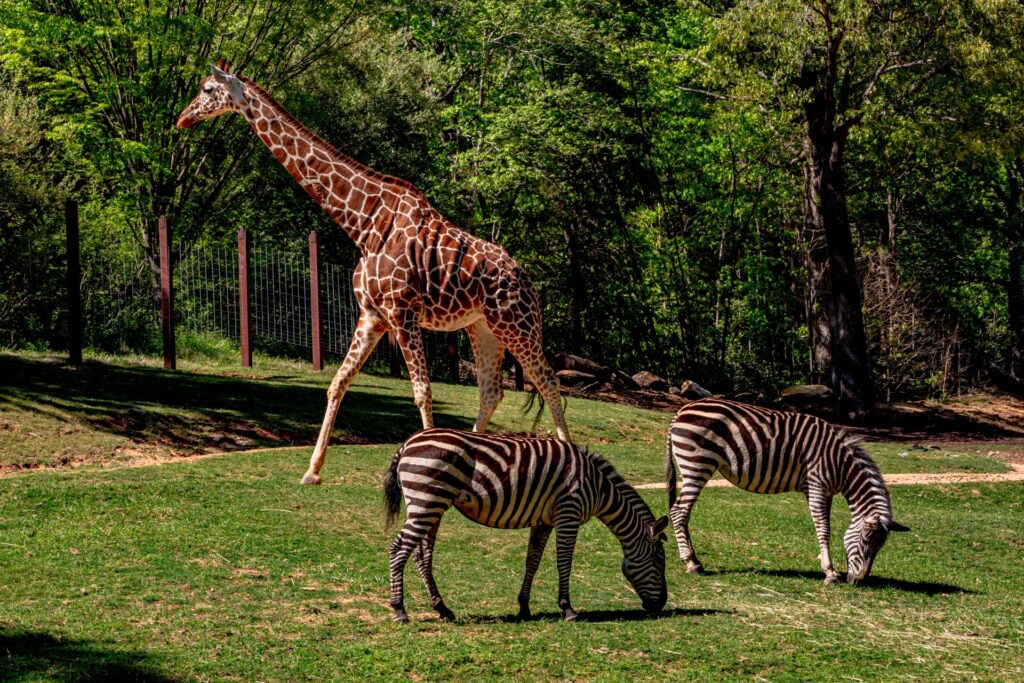
You walk through the gates before the first visitors arrive. Caregivers check enclosures, enrichment activities are prepped, and you’re overseeing it all, and ensuring every animal’s health, safety, and welfare. As a Zoo or Sanctuary Director of Animal Programs, you lead teams that bridge science, care, and conservation to create environments where animals thrive and guests learn why that matters.
What Does a Zoo or Sanctuary Director of Animal Programs Do?
Zoo and Sanctuary Directors of Animal Programs oversee animal care operations, design enrichment and education programs, and lead staff who work directly with animals. They blend management responsibilities with deep scientific understanding to safeguard welfare, advance conservation, and inspire public connection to wildlife.
A typical day might include:
- Supervising animal care teams and veterinary staff.
- Developing and implementing welfare and enrichment programs.
- Coordinating breeding, research, or species conservation initiatives.
- Managing budgets, permits, and accreditation requirements.
- Collaborating with education, marketing, and visitor engagement departments.
- Reporting on animal welfare outcomes to boards or regulatory agencies.
This position requires both leadership skill and hands‑on familiarity with animal behavior, ethical management, and organizational operations.
Where Do Zoo or Sanctuary Directors of Animal Programs Work?
These professionals lead organizations dedicated to animal welfare, conservation, and public education. Common employers include:
- Accredited zoos and aquariums.
- Wildlife sanctuaries and rehabilitation centers.
- Safari parks and conservation reserves.
- Animal welfare and rescue nonprofits.
- Research or education centers connected to animal science and husbandry.
While most directorships are full‑time and location‑based, the role often includes travel for conferences, partnerships, and national accreditation reviews.
Career Trajectory
The path to becoming a Zoo or Sanctuary Director of Animal Programs typically involves years of progressive leadership in animal care and management. Many professionals start in animal husbandry or research roles and grow into administrative leadership. A common trajectory looks like:
Animal Keeper or Trainer → Curator of Animal Programs → Assistant Director → Director of Animal Programs.
- Entry‑level (0–3 years): Hands‑on animal care, enrichment, and behavior observation.
- Mid‑career (4–8 years): Supervise teams, manage programs or species‑specific areas.
- Senior‑level (8+ years): Oversee full departmental operations, budgets, and partnerships.
Experience in animal welfare, organizational leadership, and scientific research helps professionals advance into executive‑level roles.
Zoo or Sanctuary Director of Animal Programs Salary & Job Outlook
According to U.S. Bureau of Labor Statistics profiles for Zoologists, Wildlife Biologists, and Animal Care and Service Managers, Directors of Animal Programs earn a median annual salary of approximately $75,000, with potential for higher earnings in large or accredited institutions.
| Career Stage | Typical Salary Range | Notes |
| Entry‑level (0–3 years) | $45,000–$55,000 | Supervisor or specialist positions |
| Mid‑career (4–8 years) | $60,000–$85,000 | Curator or assistant director roles |
| Senior‑level (8+ years) | $90,000–$120,000+ | Director or executive leadership |
Job outlook is positive as public and nonprofit institutions increase focus on animal welfare innovation, conservation science, and transparent program management. Directors with formal education in animal behavior stand out in both hiring and promotion.
Skills You’ll Build at Unity
The Master’s in Animal Science and Behavior from Unity Environmental University prepares you for leadership roles that combine scientific understanding with ethical management. The program is ideal for advancing into senior positions in zoos, sanctuaries, and conservation organizations.
You’ll gain expertise in:
- Animal behavior theory and research methods.
- Welfare assessments and enrichment program design.
- Science‑based leadership and ethical decision‑making.
- Communication across animal care, education, and management teams.
- Applied research methods that support animal well‑being and conservation goals.
Courses such as Applied Animal Behavior, Captive Animal Welfare, and Ethics in Animal Research directly connect to on‑the‑job skills needed for senior program oversight.
How to Get Started
To become a Zoo or Sanctuary Director of Animal Programs, invest in both practical experience and advanced education.
- Certifications: Consider earning credentials such as the Certified Manager of Animal Resources (CMAR) or Professional Animal Care Certification (PACCC).
- Experience: Start in animal care, education, or training roles within accredited facilities.
- Networking: Join professional associations like the Association of Zoos and Aquariums (AZA) or the Global Federation of Animal Sanctuaries (GFAS).
- Continued Learning: Stay current on welfare science, enrichment innovation, and accreditation standards through conferences or online courses.
These steps help you develop credibility and demonstrate the combination of compassion, leadership, and research insight required for upper‑level management.
Take the Next Step
If you’re ready to combine your passion for animal welfare with the leadership skills to shape conservation and care programs, consider Unity Environmental University’s MPS in Animal Science and Behavior. Designed for working professionals, this online master’s degree gives you the scientific and ethical foundation to lead animal programs that truly make a difference, for both people and the species they protect.
Salary data sourced from the U.S. Bureau of Labor Statistics, Occupational Outlook Handbook (2024). Unity Environmental University cannot guarantee employment or specific salary outcomes.
