
Executive Summary
The Sustainable MBA (SMBA) represents a fundamental reimagining of business education, designed to address the critical gap between traditional business training and the urgent demands of a climate-impacted world. This value proposition outlines why the SMBA is an essential evolution in business education for creating a more resilient and sustainable future, not merely an alternative to traditional MBA programs.
Introduction: The Need for a Paradigm Shift
Business education is at a crossroads. Traditional MBA programs, grounded in a consumptive “business as usual” mindset, are increasingly inadequate in addressing the profound challenges posed by climate change and sustainability. These programs often emphasize short-term profitability and shareholder appeasement, overlooking the systemic shifts required to ensure long-term resilience and relevance. The Sustainable MBA (SMBA) offers a transformative alternative, grounded in the recognition that environmental uncertainty and societal demands for sustainability are reshaping the global economy.
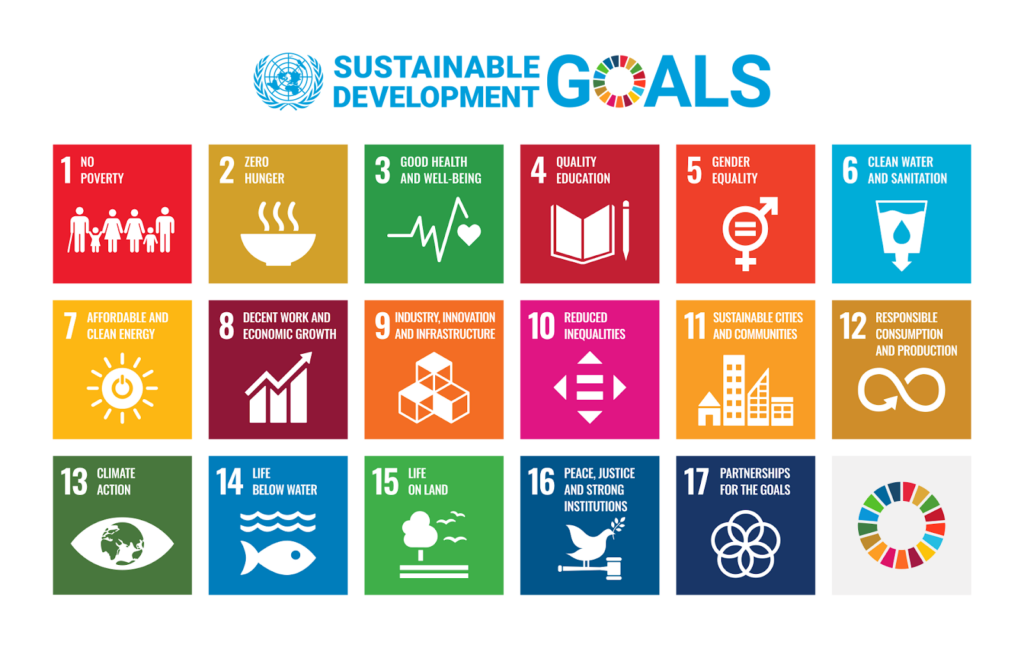
At its foundation, the SMBA acknowledges the urgent need to move away from the neoclassical economic model that fosters overconsumption and linear resource use, favoring instead the principles of the circular economy. This model emphasizes reducing waste and pollution while sustaining economic growth, aligning business practices with the health of the biosphere, the foundation for achieving the United Nations Sustainable Development Goals (SDGs) (McDowall et al., 2017; United Nations, 2015).
The core strength of the SMBA lies in its integration of sustainability as a central business imperative rather than relegating it to niche electives. This integration reflects a systems-thinking approach that connects economic, social, and environmental sustainability, enabling businesses to operate as interdependent components of a larger ecosystem (Bocken et al., 2014). The curriculum embeds frameworks such as ESG (Environmental, Social, and Governance) principles and the Task Force on Climate-Related Financial Disclosures (TCFD), empowering graduates to catalyze industry-wide transformation (Harmon and Farias, 2024).
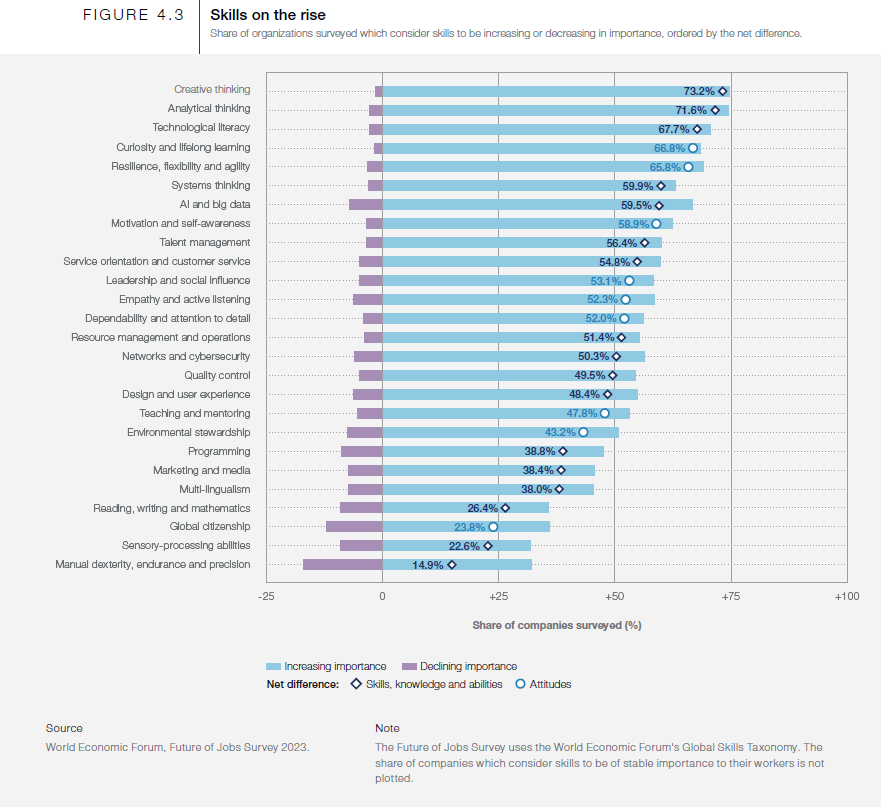
A key focus of the SMBA is skills development for a rapidly changing world. The convergence of technological, environmental, and social disruptions creates an urgent need for leaders skilled in adaptive strategy, climate finance, and stakeholder engagement – competencies that traditional business programs rarely address comprehensively (World Economic Forum, 2023). The SMBA develops skills in areas such as adaptive strategies, sustainable finance, risk management, and stakeholder engagement, which are critical for transitioning to a sustainable economy (WBCSD, 2024; Soube, 2021). It also emphasizes analytical and creative thinking, resilience, and technological literacy, particularly in areas like AI and big data (World Economic Forum, 2023).
The program’s emphasis on resilience and long-term value creation sets it apart. It trains leaders to design business models that withstand climate-related risks while aligning with net-zero emissions goals. This forward-thinking approach addresses the vulnerabilities of the current economic system and positions businesses to thrive amid regulatory changes and resource constraints (WBCSD, 2024).
Current Business Challenges
- The global economy risks losing up to 25% of GDP by 2050 without urgent climate action (Trust et al., 2025)
- Climate change has transformed from a future threat to a present reality, with businesses facing billions in costs from extreme weather events (WBCSD, 2024)
- 60% of executives view climate-related risks as critical, yet only 15% feel prepared to address them (Deloitte, 2023)
- Traditional business models are increasingly vulnerable to supply chain disruptions, regulatory shifts, and changing consumer demands (Sobue, 2021)
- Businesses must adapt to both physical risks of climate change and transition risks of moving to a net-zero emissions economy (WBCSD, 2024)
Limitations of Traditional MBA Programs
- Sustainability often relegated to electives or niche specializations (Harmon and Farias, 2024)
- Limited integration of environmental considerations into core business strategy (Harmon and Farias, 2024)
- Inadequate preparation for modern economic challenges (WBCSD, 2024)
- Gap between traditional business education and emerging market demands (World Economic Forum, 2023)
The SMBA Solution: Core Value Drivers
1. Integrated Sustainability Leadership
What We Offer:
- Comprehensive integration of sustainability throughout the entire curriculum
- Balanced focus on profitability and environmental stewardship
- Development of systems thinking and interdisciplinary problem-solving skills
Business Impact:
- Leaders capable of identifying and mitigating climate risks
- Enhanced ability to navigate complex regulatory landscapes
- Competitive advantage through sustainable innovation
2. Future-Ready Skill Development
What We Offer:
- Training in adaptive strategies and sustainable finance
- Expertise in ESG principles and frameworks
- Practical skills in measurement systems and stakeholder communication
Business Impact:
- Improved risk management and strategic planning
- Enhanced ability to access sustainable finance and investment
- Better stakeholder engagement and reporting capabilities
3. Resilience and Long-term Value Creation
What We Offer:
- Focus on building resilient business models
- Integration of physical and transition risk management
- Understanding of circular economy principles
Business Impact:
- Reduced vulnerability to climate-related disruptions
- Improved long-term strategic positioning
- Enhanced ability to capture emerging market opportunities
4. Market-Driven Transformation
What We Offer:
- Understanding of evolving consumer preferences
- Knowledge of green technologies and sustainable innovation
- Expertise in sustainable supply chain management
Business Impact:
- Increased market share through sustainable offerings
- Improved stakeholder trust and brand value
- Enhanced supply chain resilience
Competitive Advantages of SMBA Graduates
Integrating sustainability into business requires a combination of strategic vision, technical expertise, and leadership capabilities. Hiring employees with these skills enables businesses to create long-term value, navigate complex challenges using systems thinking, and lead transformative change while addressing critical ESG priorities.
- Strategic Vision
- Ability to integrate sustainability into core business strategy (Harmon and Farias, 2024)
- Understanding of long-term value creation (WBCSD, 2024)
- Systems thinking approach to business challenges (Bocken et al., 2014)
- Technical Expertise
- Fluency in ESG frameworks and reporting (WBCSD, 2024)
- Understanding of sustainable finance and risk assessment (White, 2023; Ranger et al., 2023)
- Knowledge of sustainable business models and practices (de Man and Strandhagen, 2017; Sobue, 2021; Khan et al., 2021 )
- Leadership Capabilities
- Change management skills for sustainability transformation (Barros et al., 2021; Harmon and Farias, 2024)
- Stakeholder engagement and communication abilities (WBCSD, 2024)
- Ethical decision-making framework (Harmon and Farias, 2024)
ROI and Business Impact
Investing in sustainability skills for employees is a smart move for businesses looking to thrive in today’s evolving marketplace. These skills not only enable teams to adopt sustainable practices and manage risks effectively but also improve transparency with stakeholders. Over time, this investment builds resilience, ensures alignment with future regulations, and unlocks opportunities in growing sustainable markets. By giving employees the tools to drive change, businesses can secure a competitive edge while contributing to a more sustainable future.
Short-term Benefits
- Immediate application of sustainable business practices
- Enhanced risk management capabilities
- Improved stakeholder communication and reporting
Long-term Value
- Increased business resilience and adaptability
- Strong positioning for future regulatory changes
- Access to growing sustainable markets and investment opportunities
Conclusion
The SMBA represents a strategic investment in the future of business leadership (Harmon and Farias, 2024). As organizations face increasing pressure to address climate challenges while maintaining profitability, SMBA graduates are uniquely positioned to lead this transformation (WBCSD, 2024). The program delivers immediate value while building long-term capabilities essential for success in a rapidly evolving business landscape (World Economic Forum, 2023).
References
Barros, M. V., Francisco, A. C. de, & Piekarski, C. M. (2021). Key impacts of circular economy practices within different business areas towards a sustainable business management. Cleaner Environmental Systems, 2, 100006.
Bocken, N. M., Short, S. W., Rana, P., & Evans, S. (2014). A literature and practice review to develop sustainable business model archetypes. Journal of Cleaner Production, 65, 42–56.
de Man, J.C., & Strandhagen, J.O. (2017). An Industry 4.0 research agenda for sustainable business models. Procedia CIRP, 63, 721-726.
Harmon, J. & Farias, G.F. (2024). Embedding Sustainability Throughout a Traditional MBA Program. Journal of Management for Global Sustainability, 12(1), 164-175.
Khan, I.S., Ahmad, M.O., & Majava, J. (2021). Industry 4.0 and sustainable development: A systematic mapping review. Journal of Cleaner Production, 297, 126655.
McDowall, W., Geng, Y., Huang, B., Barteková, E., Bleischwitz, R., Türkeli, S., & Doménech, T. (2017). Circular economy policies in China and Europe. Journal of Industrial Ecology, 21(3), 651-661.
Ranger, N., Alvarez J., Freeman, A., Harwood, T., Obersteiner, M., Paulus, E. and Sabuco, J. (2023). The Green Scorpion: the Macro-Criticality of Nature for Finance – Foundations for scenario-based analysis of complex and cascading physical nature-related risks. Oxford: Environmental Change Institute, University of Oxford.
Sobue, K. (2021, September). Capturing business opportunities arising from climate change. Arthur D. Little.
White, A. (2023). Capturing the direct and indirect risks of physical climate change in investment portfolios. Morningstar Sustainalytics. https://www.morningstar.com/sustainability/capturing-direct-indirect-risks-physical-climate-change-investment-portfolios
Trust, S., Saye, L., Bettis O., Bedenham G., Hampshire O., Lenton T.M., Abrams J.F. (2025) Planetary Solvency – finding our balance with nature: Global risk management for human prosperity. Institute and Faculty of Actuaries.
World Business Council for Sustainable Development (WBCSD). (2024). Business leaders guide to climate adaptation and resilience.
World Economic Forum. (2023). Future of Jobs Report 2023.
