
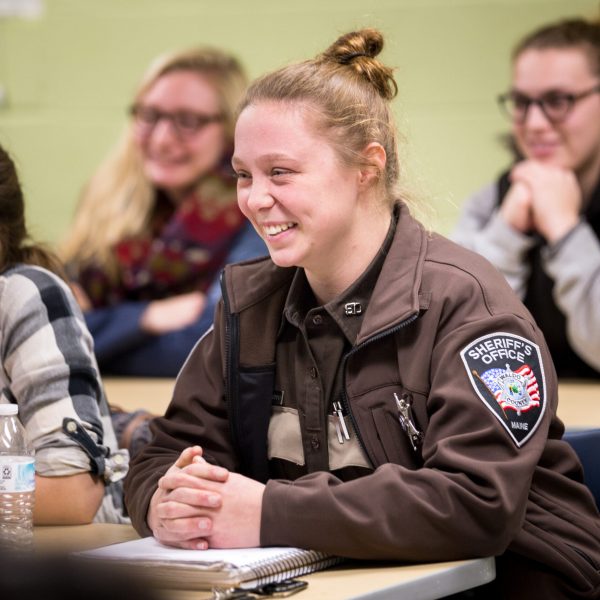
Substance Recognition: Practical Law Enforcement Skills
Explore current trends in substance use and assess these issues in a law enforcement context. Learn to identify a range of substances and their observable effects.
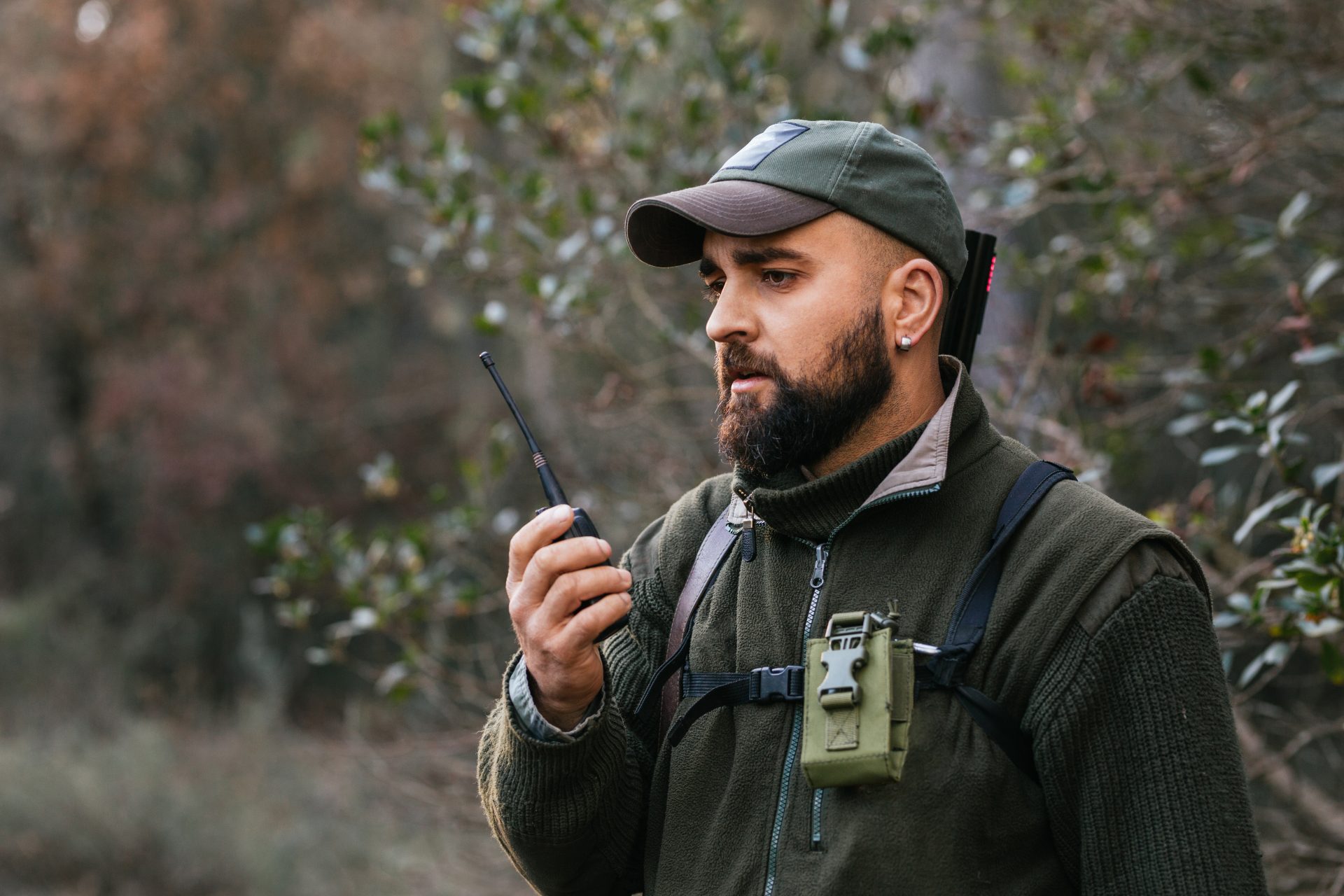

Explore current trends in substance use and assess these issues in a law enforcement context. Learn to identify a range of substances and their observable effects.
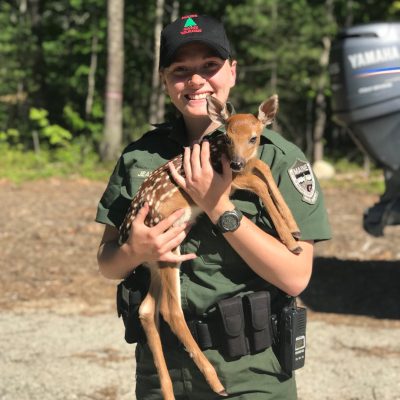
Step into the vital role of wildlife and marine law enforcement, where you’ll focus on protecting and conserving our natural resources.
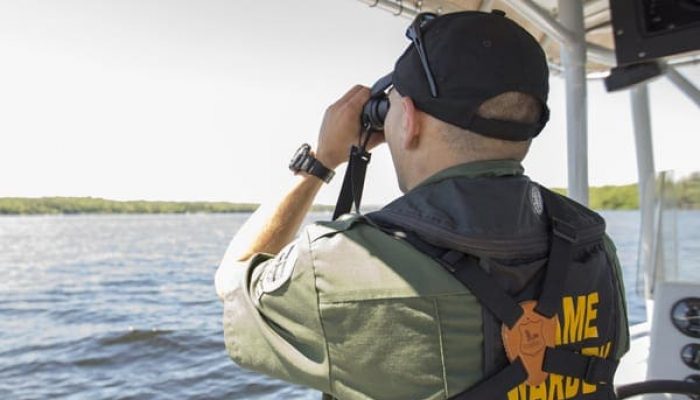
Dive into the theories and fundamentals of the investigative process, including criminal investigations, investigative interviews, and interrogation techniques.
To earn a Baccalaureate degree in Conservation Law Enforcement, you must complete:
University Wide Requirements: A minimum of 120 earned credit hours, 30 credits at the 300 level or above, a minimum of 30 credits earned at Unity, and an overall cumulative GPA of 2.0 or above.
Most state and federal agencies prefer candidates with a bachelor’s degree in a related field, such as conservation law enforcement, criminal justice, or wildlife biology, in addition to completing the agency’s own academy training.
Game warden, park ranger, environmental compliance officer, and federal conservation law enforcement roles, along with marine patrol and wildlife forensics positions at the state and federal level.
A significant portion. Wildlife forensics, surveillance techniques, and law enforcement field operations are taught through in-person coursework and a required internship, not classroom instruction alone.


Applied learning modeled around real world scenarios.

Attend in person or remotely, with dedicated instructors either way.

Master ecosystem processes and human-environment interactions that address environmental problems.
