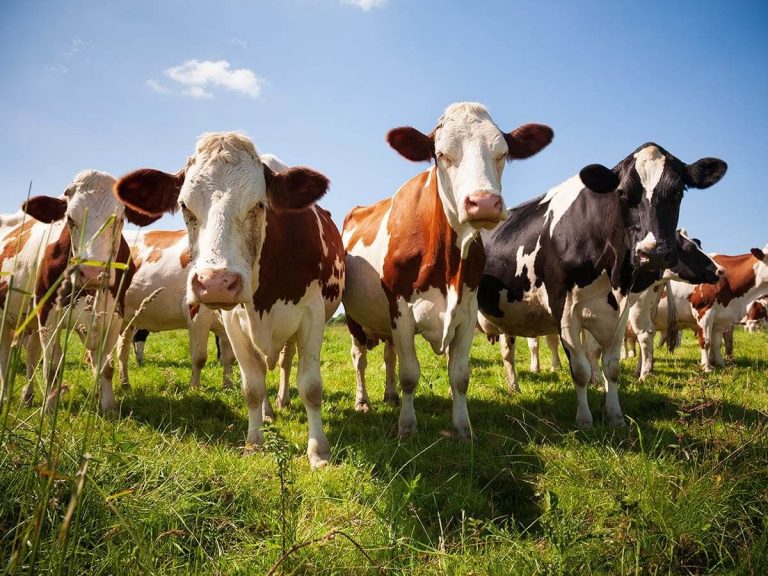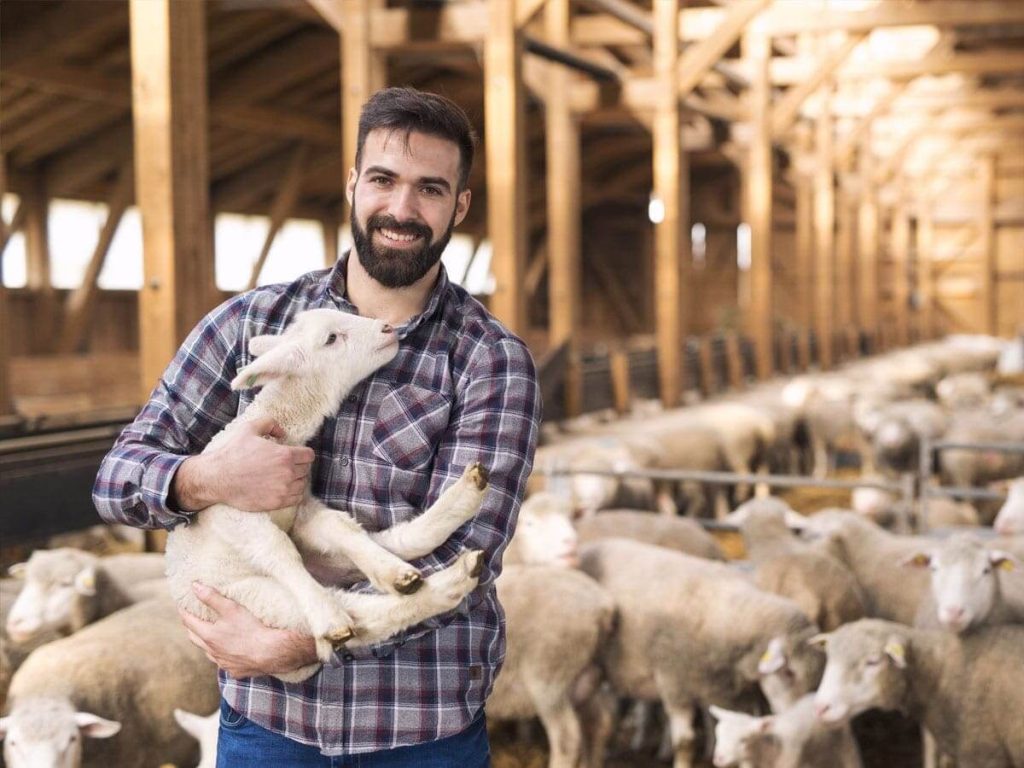
A feedlot pen holds 200 head. You know which animals were vaccinated last week, which ones are showing early signs of respiratory stress, and what the feed conversion ratios look like for this group versus the benchmark. Livestock management is applied animal science at production scale. The decisions you make about nutrition, health, housing, and genetics ripple through an entire enterprise. It is demanding, technical work, and the people who do it well are worth a great deal to the operations that employ them.
What Does a Livestock Manager Do?
Livestock managers oversee the daily care, health, nutrition, and production performance of commercial animal herds or flocks. The role sits between the hands-on work of animal care and the higher-level business decisions of farm ownership or executive management.
On a given week, a livestock manager might design and implement a vaccination protocol for a new group of feeder cattle; review daily feed intake records and adjust rations based on performance data; work with a veterinarian to diagnose and treat a disease outbreak; supervise stockworkers and train new hires on low-stress handling techniques; evaluate reproductive performance in a cow-calf herd and make culling recommendations; and prepare a health and production report for farm ownership. They also manage biosecurity protocols, coordinate with nutritionists on feed programs, oversee facility maintenance that affects animal welfare, and track production costs against budget.
The work is more data-driven than the popular image of livestock production suggests. Recording, interpreting, and acting on production data is as central to the job as knowing how to handle animals.
Where Do Livestock Managers Work?
Livestock management positions exist across every agricultural region of the United States. The career spans multiple commodity sectors.
Commercial beef cattle feedlots and cow-calf operations employ livestock managers to oversee feeding programs, health management, and production performance across large animal inventories. Dairy operations employ herd managers focused on milk production, reproduction, and animal health on a continuous basis. Hog and swine operations employ production managers at both farrow-to-finish and specialized finishing facilities. Poultry operations employ flock managers responsible for bird health, environmental management, and production efficiency.
Sheep and goat operations, diversified livestock farms, and specialty livestock producers including bison, elk, and heritage breed operations also employ livestock managers. Agricultural research stations and university livestock facilities employ managers with both animal care and data management responsibilities. The career is most active in production agriculture states including Iowa, Nebraska, Texas, Kansas, California, and throughout the Midwest and Southeast, but livestock operations requiring professional management exist in every state.
Livestock Manager Career Trajectory
The ladder runs: Livestock Technician / Stockworker → Assistant Livestock Manager → Livestock Manager → Senior Livestock Manager / Production Director → Farm Manager / Director of Operations.
Livestock Technician or Stockworker is the entry point. You provide direct animal care, operate feeding and watering systems, identify and treat sick animals under veterinary direction, and develop the species-specific observational skills that management depends on.
From there, an Assistant Livestock Manager supervises specific production areas, manages daily work schedules for stockworkers, and implements health and nutrition protocols designed by senior staff. A Livestock Manager holds full responsibility for herd or flock health, nutrition, reproduction, and production performance. Advancement to this level typically takes three to seven years.
Senior Livestock Manager and Production Director roles involve multiple species or production units, staff management across larger teams, and direct contribution to enterprise strategy and capital decisions.
Livestock Manager Salary and Job Outlook
The program page references agricultural managers at a BLS median of approximately $88,000 as of 2024. Livestock manager compensation varies by commodity, operation size, and region.
| Career Stage | Typical Annual Salary |
|---|---|
| Livestock Technician / Stockworker (entry level) | $28,000 – $42,000 |
| Assistant Livestock Manager (early career) | $40,000 – $58,000 |
| Livestock Manager (mid career) | $55,000 – $82,000 |
| Senior Manager / Production Director (senior level) | $78,000 – $115,000+ |
Compensation often includes housing, utilities, and vehicle benefits on larger operations, adding meaningful value beyond base salary. Dairy herd managers and swine production managers at large commercial facilities tend to earn toward the upper end of the range. Managers with strong reproductive management records and demonstrated feed efficiency results command premium compensation.
Job Outlook: The BLS projects approximately 5% growth for agricultural managers through 2033. Commercial livestock operations are growing in scale and complexity, increasing demand for professionally credentialed managers who can manage large animal inventories with data-driven precision. Formal credentials in animal science are increasingly expected at operations that previously hired based on experience alone.
Skills You’ll Build at Unity
Unity’s BS in Agricultural Animal Science builds the livestock health, nutrition, genetics, and production management knowledge that livestock manager positions require. The curriculum maps directly onto the technical demands of the work.
Sustainable Livestock Health, Nutrition, and Care (ANIM 310) is the most directly applicable course. It covers animal welfare, health monitoring, nutritional management, and handling practices across both large commercial and smaller farm settings. This course develops the integrated livestock care knowledge that hiring managers look for in candidates for herd manager and livestock manager roles.
Animal Nutrition (ANIM 205) develops the nutritional science foundation that livestock managers apply when designing and adjusting feed programs, evaluating feedstuff quality, interpreting body condition data, and managing the relationship between feed inputs and production outputs. Feed cost management is one of the highest-impact responsibilities of any livestock manager.
Animal Husbandry and Genetics (ANIM 301) builds the breeding program and genetic management knowledge that livestock managers use when making selection decisions, managing reproductive programs, interpreting genetic data, and optimizing herd or flock performance across generations.
Animal Comparative Physiology (ANIM 304) develops the physiological knowledge that underlies health assessment, stress management, and understanding how animals respond to environmental conditions, nutritional changes, and production demands. Physiological literacy makes livestock managers more effective partners for veterinarians and nutritionists.
Microbiology (BIOL 310) provides the disease and pathogen knowledge that livestock managers apply in biosecurity planning, disease prevention protocol development, and understanding the science behind the veterinary protocols they implement.
Sustainable Livestock Management (ANIM 410) develops the systems-level perspective on livestock enterprise management that positions livestock managers to contribute to higher-level production strategy, environmental compliance, and sustainable practice implementation.
How to Get Started
Livestock management careers reward hands-on species experience alongside formal credentials. Both are buildable, and the combination is what makes candidates genuinely competitive.
Seek out livestock experience in the commodity area that interests you most. Dairy herd management, beef cattle production, swine operations, and poultry production each have distinct management demands and career cultures. Working in the sector you are targeting, even in a technician or assistant role, builds the species-specific knowledge and operational familiarity that employers look for before putting someone in a management role.
Pursue the Professional Animal Auditor Certification (PAACO) training if you are working toward livestock management in commercial beef or dairy operations. PAACO training, which covers animal welfare assessment standards used by major packers and retailers, is increasingly expected for managers at operations that sell into major supply chains with animal welfare audit requirements.
Develop basic record-keeping and data management skills alongside your animal science education. Livestock production management is increasingly data-driven. Familiarity with herd management software platforms including DairyComp, CattleMax, or PigCHAMP, depending on your commodity focus, makes you more immediately useful to employers who rely on these systems for production monitoring and decision support.
Ready to Take the Next Step?
Unity’s BS in Agricultural Animal Science is a fully online, 120-credit program designed for working adults. It builds the livestock health, nutrition, genetics, sustainable management, and animal science knowledge that livestock manager careers are built on. With up to 8 start dates per year, you can begin when your schedule allows.
Salary data sourced from the U.S. Bureau of Labor Statistics Occupational Outlook Handbook (2024). Unity Environmental University cannot guarantee employment or specific salary outcomes.