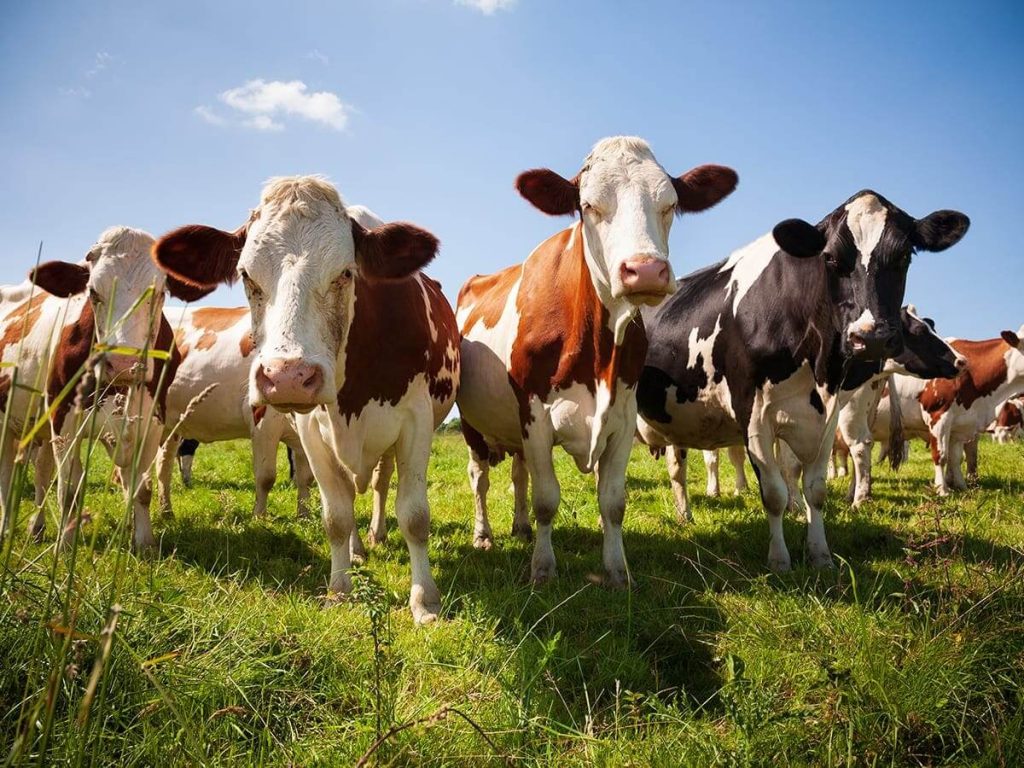
You are up before the sun, checking on a heifer that was close to calving last night. By midday you have reviewed feed delivery receipts, called your veterinarian about a respiratory issue in the feeder pen, and met with a buyer about this fall’s market steers. Farm and ranch management is one of the most integrated careers in agriculture: science, business, animal welfare, and land stewardship all operating simultaneously, every single day.
What Does a Farm and Ranch Manager Do?
Farm and ranch managers plan, direct, and coordinate the operations of agricultural properties. On livestock operations, the role combines animal husbandry expertise with business management, environmental stewardship, and people leadership.
On a given week, a farm or ranch manager might develop and implement a nutrition program for a cow-calf herd; coordinate with a veterinarian on a herd health protocol; review and negotiate contracts with feed suppliers; oversee pasture rotation and forage management; manage employee work schedules and training; prepare financial records for the operation; and evaluate equipment maintenance needs. They also make marketing decisions for livestock, manage compliance with environmental regulations, maintain records for breed registries or organic certifications, and plan for the upcoming season.
The job is as much business management as animal care. Understanding profit margins, cash flow, market timing, and input costs is as important as knowing how to manage livestock health and reproduction. Farm and ranch managers who can hold both dimensions together are the ones who build profitable, sustainable operations.
Where Do Farm and Ranch Managers Work?
Farm and ranch management positions exist across every U.S. agricultural region. The career is genuinely national in scope.
Commercial livestock operations including beef cattle ranches, dairy farms, hog operations, sheep ranches, and poultry farms employ managers to oversee production, animal care, and business operations. Family farms that have grown to the point of needing professional management also employ farm managers in full-time or consulting roles. Corporate agriculture and large-scale agricultural investment entities employ professional farm managers to run multiple properties or specialized production units.
Agricultural land management companies, farm credit lenders, and agricultural consulting firms employ farm managers in oversight and advisory roles for client properties. Land trusts with working farm components and conservation-focused agricultural operations employ managers who balance production with environmental stewardship goals. The career is most active in the agricultural heartland, including the Midwest, Great Plains, Southeast, and Western range states, but livestock operations exist in every state.
Farm and Ranch Manager Career Trajectory
The ladder runs: Farm Hand / Livestock Technician → Assistant Manager / Herd Manager → Farm or Ranch Manager → General Manager / Operations Director → Owner / Principal Operator.
Farm Hand or Livestock Technician is the entry point. You do the hands-on work of animal care, feeding, equipment operation, and facility maintenance under the direction of a manager. This stage builds the practical livestock knowledge that management credibility depends on.
From there, an Assistant Manager or Herd Manager takes responsibility for specific livestock groups or operational areas, supervises junior staff, and begins developing independent management judgment. A Farm or Ranch Manager holds full operational and financial responsibility for an agricultural property or production unit. This level typically takes five to ten years to reach on operations of significant scale.
General Manager and Operations Director roles oversee multiple properties or specialized production systems for larger agricultural enterprises. Owner and Principal Operator roles represent the entrepreneurial tier, with full business, financial, and operational authority.
Farm and Ranch Manager Salary and Job Outlook
The program page references agricultural managers at a BLS median of approximately $88,000 as of 2024. Compensation varies significantly by operation size, commodity type, and geographic region.
| Career Stage | Typical Annual Salary |
|---|---|
| Farm Hand / Livestock Technician (entry level) | $28,000 – $42,000 |
| Assistant Manager / Herd Manager (early career) | $42,000 – $62,000 |
| Farm or Ranch Manager (mid career) | $58,000 – $90,000 |
| General Manager / Owner (senior level) | $80,000 – $150,000+ |
Compensation often includes non-monetary benefits. Housing, utilities, vehicle use, and production bonuses are common components of farm and ranch manager compensation packages, particularly on larger operations. These benefits add meaningful value beyond base salary. Operations in specialized commodity sectors including dairy, registered seedstock cattle, and organic production often pay above the median for qualified managers.
Job Outlook: The BLS projects approximately 5% growth for agricultural managers through 2033. The aging of the farm operator population is creating significant succession and management demand. Many farm families are seeking professional managers as the next generation pursues other careers. Managers with formal agricultural credentials alongside practical experience are consistently competitive for positions that historically went to family members.
Skills You’ll Build at Unity
Unity’s BS in Agricultural Animal Science builds the livestock science, nutrition, health management, and sustainability knowledge that professional farm and ranch management careers require. The curriculum maps directly onto the technical demands of managing livestock operations.
Sustainable Livestock Management (ANIM 410) is the most directly applicable course. It develops the systems-level understanding of modern livestock operations that managers need when making decisions about stocking rates, forage management, enterprise diversification, and the integration of sustainability practices that increasingly shape market access and regulatory compliance.
Sustainable Livestock Health, Nutrition, and Care (ANIM 310) builds the hands-on livestock health and nutrition knowledge that farm and ranch managers apply daily. Understanding how to design and implement a herd health protocol, evaluate body condition, identify disease early, and work effectively with veterinarians is core management competency for any livestock operation.
Animal Husbandry and Genetics (ANIM 301) develops the breeding program knowledge that managers apply when making selection and mating decisions for commercial or registered livestock, managing genetic diversity, and understanding the genetic basis of production traits.
Animal Nutrition (ANIM 205) builds the nutritional science foundation for developing feed programs, evaluating feedstuff quality, managing input costs, and understanding the relationship between nutrition and production performance across livestock species.
Animal Comparative Physiology (ANIM 304) develops the physiological knowledge that farm managers use when interpreting health data, understanding reproduction, managing environmental stress, and making informed decisions about livestock welfare and production management.
Microbiology (BIOL 310) provides the disease and pathogen knowledge that managers apply in biosecurity planning, disease prevention protocol development, and understanding the veterinary recommendations that shape herd health programs.
What Students Say
“I chose Unity because I felt like it aligned with me more after doing research. I liked that I had the option to finish my education completely online and that it offered prevet courses unlike other universities.”
Amanda P., BS in Agricultural Animal Science
How to Get Started
Farm and ranch management careers reward a combination of hands-on livestock experience, business skills, and professional credentialing. All three are buildable in parallel.
Pursue farm and ranch work experience as early and as broadly as possible. Managing cattle on a range ranch, working in a commercial dairy, or running livestock at a diversified farm each build different and complementary skills. The variety of livestock management experience you accumulate before pursuing a management role directly shapes your competence and your negotiating position with employers. Document that experience specifically: species worked with, management responsibilities, herd sizes, and systems managed.
Consider pursuing the Certified Farm Manager (CFM) credential from the American Society of Farm Managers and Rural Appraisers (ASFMRA). The CFM is the recognized professional certification for farm and ranch managers. It covers financial analysis, production management, environmental compliance, and property management. It is achievable with relevant education and experience and signals professional seriousness to landowners, lenders, and agricultural enterprises.
Develop basic accounting and financial management skills alongside your animal science knowledge. Farm managers who can read a balance sheet, manage cash flow, evaluate enterprise profitability, and communicate financial performance to owners or investors are significantly more valuable than those with only production expertise. Farm financial management courses through ASFMRA and land-grant university extension programs are practical and accessible supplements to your formal degree.
Ready to Take the Next Step?
Unity Distance Education’s BS in Agricultural Animal Science is a fully online, 120-credit program designed for working adults. It builds the livestock health, nutrition, genetics, sustainable management, and animal science knowledge that farm and ranch management careers are built on. With up to 8 start dates per year, you can begin when your schedule allows.
Salary data sourced from the U.S. Bureau of Labor Statistics Occupational Outlook Handbook (2024). Unity Environmental University cannot guarantee employment or specific salary outcomes.