
From tracking wildlife to analyzing water samples, environmental careers span a range of work environments. For students considering a future in environmental studies, one of the most important questions to answer is whether their interests align more closely with fieldwork or lab work. Field-based roles often emphasize outdoor data collection, physical activity, and direct interaction with ecosystems, while laboratory-based positions focus on controlled experiments, data analysis, and technical precision. Both paths play critical roles in understanding and protecting the natural world, and both require distinct skill sets, personalities, and training.
Prospective environmental professionals should explore the differences between fieldwork vs. lab work to better understand daily responsibilities, required skills, and career paths. By comparing these two foundational approaches to environmental science, students can better assess which path best aligns with their long-term goals.
What Fieldwork Looks Like
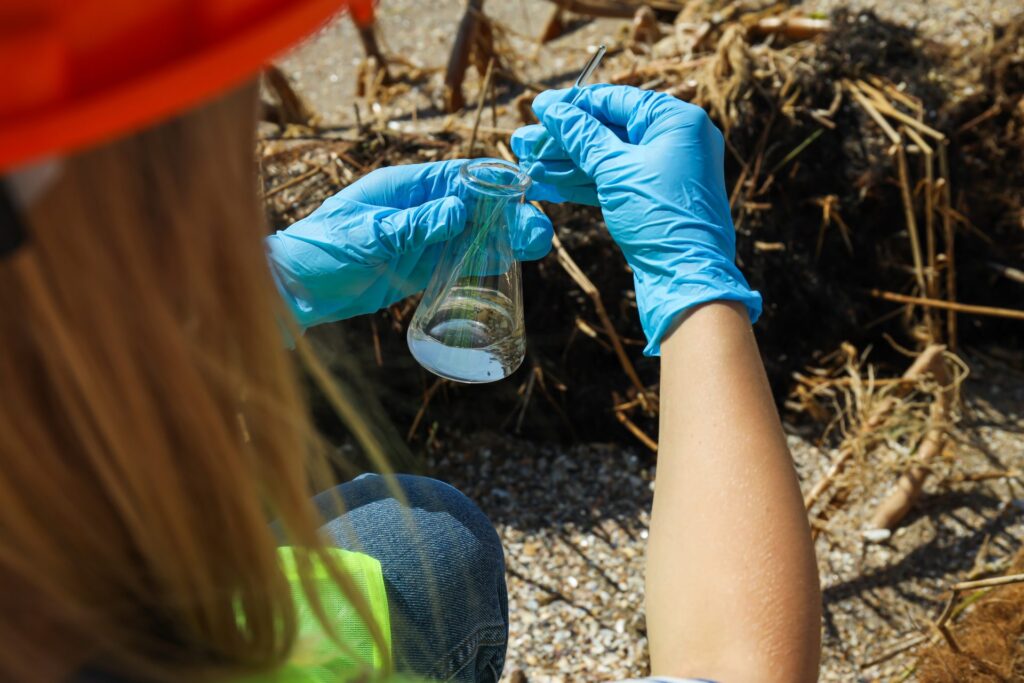
Field studies place environmental professionals directly in the ecosystems that they study, making it a hands-on and immersive career path. A typical day of field research may involve collecting outdoor data and samples, such as gathering soil, water, or air samples, recording vegetation changes, and installing monitoring equipment.
Much of fieldwork focuses on monitoring ecosystems, wildlife populations, and changing environmental conditions. This may include observing plants and animals in their natural habitats, tracking animal movements, surveying plant diversity, and documenting the impacts of pollution, climate change, or habitat loss. Field scientists often work closely with teams, coordinating efforts across large study areas to ensure consistent and accurate data collection.
Field-based roles also require a high degree of flexibility. Travel is often needed to reach diverse or remote locations, and work environments can vary widely. For example, some professionals may work in forests or mountains, while others work in wetlands, coastlines, or deserts. The work can be physically demanding, involving long hours on foot, heavy equipment, and unpredictable weather conditions. In addition, fieldwork often follows seasonal schedules, with busy periods tied to migration patterns, growing seasons, or weather windows.
Examples of Fieldwork-Focused Roles
Fieldwork-focused environmental careers place professionals on the front lines of research, conservation, and environmental protection. Common roles include:
- Field Biologist – Field biologists (such as wildlife biologists, plant biologists, or ecosystem biologists) spend much of their time outdoors, collecting data on plants, animals, and ecosystems. Their work may involve conducting population surveys, tagging or tracking wildlife, and recording habitat conditions to support scientific studies and management decisions.
- Wildlife Conservationist – A wildlife conservationist works to protect species and their habitats, often in partnership with government agencies or nonprofit organizations. Their fieldwork may include monitoring endangered species, restoring habitats, enforcing conservation practices, and engaging with local communities to promote sustainable land use.
- Environmental Monitoring Specialist – An environmental monitoring specialist tracks environmental conditions such as air and water quality, soil health, or pollution levels. These professionals routinely collect samples, operate monitoring equipment, and document changes over time to ensure compliance with environmental regulations and to identify potential environmental risks.
- Conservation Field Assistant – A conservation field assistant typically supports research teams by handling data collection, equipment setup, and site maintenance. Often an entry-level role, this position provides valuable hands-on experience and exposure to field methods, making it an ideal starting point for students exploring field-based environmental careers.
For students weighing fieldwork vs. lab work, this kind of hands-on sampling and observation is often a defining feature of field-based careers.
What Lab Work Looks Like
Lab-based environmental careers center on analyzing samples, data, and environmental indicators to uncover patterns that inform scientific understanding and decision-making. Environmental lab techs may test soil, water, or air samples for contaminants, nutrients, or biological activity. They follow strict protocols to ensure accuracy and consistency. In addition to collecting physical samples, lab workers frequently analyze large datasets generated from field studies, remote sensing, or long-term monitoring programs.
Unlike fieldwork, most laboratory research takes place indoors in a controlled setting, such as in laboratories, offices, or research facilities. These settings allow scientists to focus on precision and detailed analysis. Specialized tools and technologies are central to this work, including microscopes, chemical testing equipment, geographic information systems (GIS), and statistical or modeling software.
A significant portion of lab work also involves interpreting results, writing reports, and communicating findings to stakeholders and other interested parties. Researchers use this work to develop, influence, or support environmental policy, land-use planning, regulatory compliance, and conservation strategies. While lab work may involve less time outdoors, it plays a crucial role in transforming field data into actionable knowledge and sustainable decision-making.
Examples of Lab-Focused Roles
Lab work-focused environmental roles emphasize analysis, precision, and data interpretation rather than direct observation and extensive time outdoors. Common roles include:
- Environmental Laboratory Technician – An environmental laboratory technician works with samples collected from soil, water, or air, conducting chemical, biological, and physical tests to detect contaminants and measure environmental quality. Accuracy and adherence to protocols are central to this role.
- Environmental Data Analyst – An environmental data analyst organizes or interprets large datasets generated from field studies or remote sensing technologies. Using statistical tools, modeling software, and GIS, analysts identify trends and relationships that help scientists, agencies, and organizations make informed decisions.
- Water Quality Analyst – A water quality analyst specializes in testing and evaluating water samples from rivers, lakes, groundwater, or drinking water systems. Their work helps assess ecosystem health, ensure regulatory compliance, and protect public health by identifying pollutants, nutrient levels, and microbial risks.
- Environmental Research Assistant – An environmental research assistant supports scientists and project leaders by managing data, running experiments, maintaining laboratory equipment, and assisting with literature reviews and report preparation. Often a stepping stone for students or early-career professionals, this role provides valuable exposure to research methods and analytical processes.
Careers That Combine Fieldwork and Lab Work
Many environmental careers do not fit neatly into a single category of fieldwork vs. lab work or field research vs. lab research. Instead, they require a balance of both, allowing professionals to collect real-world data and then analyze it in controlled settings. Some examples of careers that combine both field and lab work include:
- Environmental Scientist – An environmental scientist may spend time in the field gathering soil, water, or air samples, conducting site assessments, or monitoring environmental impacts. Back in the lab or office, they analyze samples, interpret data, and prepare reports that inform policy or land-use decisions.
- Marine Biologist – A marine biologist often divides their time between field and lab environments. Fieldwork may involve boat-based surveys, diving, or shoreline sampling to study marine organisms and habitats. Lab work follows, with tasks such as identifying species, analyzing tissue samples, and using modeling software to understand population trends and ecosystem dynamics.
- Conservation Researcher – A conservation researcher integrates field observations with lab-based analysis to evaluate conservation strategies and ecological outcomes. They may monitor species in the wild, assess habitat conditions, and use statistical tools to measure the effectiveness of conservation efforts.
These blended roles highlight how combining fieldwork and lab work strengthens environmental research and leads to more informed, impactful solutions.
How Education Prepares You for Either Path
Education plays a critical role in preparing students for environmental careers, whether that’s fieldwork, lab work, or a combination of both. Environmental degrees, such as our Bachelor of Science in Environmental Studies, are designed to build strong foundational science skills in biology, chemistry, ecology, and earth systems. These core competencies apply across career paths and allow students to pursue roles on either side of field research vs. lab research, including those that emphasize outdoor research, laboratory analysis, and integrated approaches to environmental science.
Additionally, coursework in environmental studies and environmental science often includes training in field methods, lab techniques, and data analysis. Students learn how to collect and document samples in the field, conduct laboratory testing, use statistical software, and interpret environmental data. This broad exposure helps students identify their strengths and interests while developing practical skills valued by employers.
Online environmental degree programs can also support applied learning and career readiness. Many online learning formats incorporate virtual labs, data analysis projects, simulations, and locally based field assignments that allow students to gain hands-on experience. These programs often emphasize real-world problem solving, communication skills, and project-based learning. Together, these educational experiences help prepare graduates to adapt to diverse environmental career paths and evolving workplace demands.
Exploring Environmental Career Paths at Unity Environmental University
Choosing between a focus on field research vs. lab research is an important step for students exploring environmental careers. While each path offers unique responsibilities, skills, and opportunities, many careers blend both approaches. With strong academic preparation, students can find the right fit during school and after graduation. Unity Environmental University offers a flexible and affordable education in environmental studies to support our students’ diverse career goals. For more information about Unity Environmental University, you can chat with Una or visit our Bachelor of Science in Environmental Studies degree page.


