You care about wild places and the animals that live in them, and now you are weighing a wildlife conservation degree against an ecology degree. From the outside, the two can look almost identical. They share classrooms, field sites, and a deep respect for the natural world, so plenty of people who want a career in nature feel unsure which one truly fits them.
Here is the encouraging part. Both paths are strong, and the one you choose says something useful about the work that motivates you. Each degree builds different skills, opens different jobs, and determines how far your first credential carries you. Once the contrast between them is clear, the decision gets much easier to make.
At Unity Environmental University, we prepare people for exactly this kind of work. If the applied side of protecting species and habitats speaks to you, the B.S. in Wildlife Conservation is where that preparation takes shape.
What Is a Wildlife Conservation Degree?
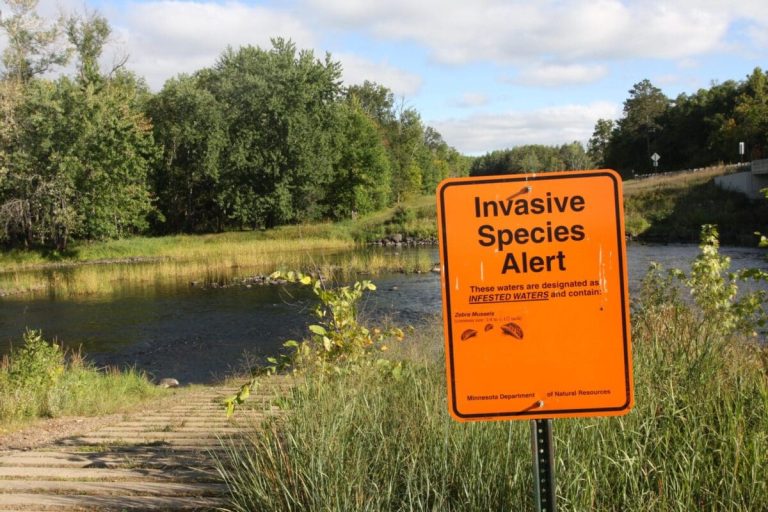
A wildlife conservation degree trains you to protect and manage wild animal populations and the habitats they depend on to survive. It is an applied, action-oriented field that turns science into decisions that keep species and ecosystems healthy. The degree prepares you to read the land, track how animals use it, and plan the steps that help them thrive.
At its core, wildlife conservation is as much about people as it is about species. Knowing what a species or a habitat needs isn’t enough on its own. That knowledge only becomes conservation once it shapes the decisions of the landowners, agencies, and policymakers who hold the power to act on it, which is why the field blends natural science with the work of getting people and institutions to change course.
The coursework pulls from several subjects at once, building working knowledge across a few connected areas:
- Wildlife management: How to monitor populations, restore habitat, and ease conflict between people and animals.
- Field methods: Skills for surveying species, collecting data outdoors, and using tools like GPS units and remote cameras.
- Policy and stewardship: The way laws, land use, and funding shape what protection looks like on the ground.
The thread that ties it together is practical. You ask what to do for a species or a place, then build a plan you can carry out and measure.
What Does an Ecology Degree Cover?
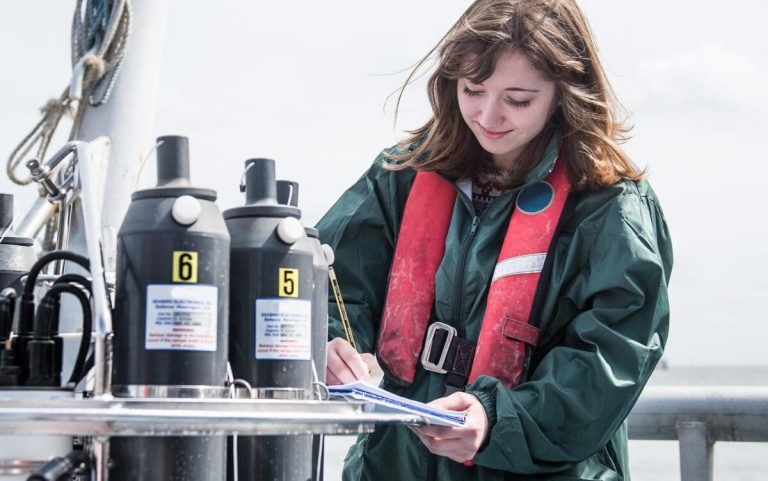
An ecology degree centers on the science of how living things interact with one another and with their surroundings. It begins from curiosity about how living systems work. Why does a population rise or fall? How does energy move through a food web? What happens to a forest in the years after a fire? That curiosity gives an ecology degree its research and analysis lean.
You still spend time outdoors, though the work rewards observation, measurement, and testing ideas. The coursework tends to cluster around a few areas:
- Population dynamics: How and why species numbers shift over time.
- Species interactions: The relationships that link predators, prey, plants, and their shared habitat.
- Quantitative skills: Statistics, study design, and reading what the data actually show.
- Ecosystem science: Ways energy and nutrients cycle through whole systems, from a single pond to a forest.
Because an ecology degree explains the rules living systems follow, it builds a strong foundation for graduate study or research-driven roles.
What Is the Core Difference Between a Wildlife Conservation and Ecology Degree?
When we set the two side by side, the difference comes into focus. An ecology degree explains how nature works, while a wildlife conservation degree applies that understanding to protect it. One builds the knowledge, and the other puts it to work for animals and the places they live.
A few contrasts show up in practice:
- Focus: Ecology studies living systems broadly, while wildlife conservation zeroes in on animals and their habitats.
- Approach: Ecology leans toward research and analysis, while conservation leans toward management and action.
- Coursework: Ecology adds study design and statistics, while conservation adds habitat, policy, and field-management training.
The overlap is real, and worth naming. Ecology asks why a system works the way it does, while wildlife conservation asks what to do about it, and that difference in focus doesn’t erase how closely the two depend on each other. You can rarely protect a species well without first understanding the ecology behind it, which is why conservation strategies are only as strong as the ecological research they’re built on and why many students study both. So when you weigh wildlife conservation vs ecology, think less about a hard wall between them and more about where you want to stand, near the questions or near the action.
Careers You Can Pursue With a Wildlife Conservation or Ecology Degree
Both degrees open doors to work in nature, though they point toward somewhat different roles. A wildlife conservation degree tends to lead toward jobs where you manage species and habitats directly. Common titles include:
An ecology degree, with its research strengths, tends to point toward roles built around study and analysis. Those often include:
Many of these roles share the same employers, so the skills you can show often matter as much as your transcript. Graduates find work with government agencies that manage public land and wildlife, nonprofits focused on protecting species, and consulting firms that advise developers and landowners.
Pay and outlook are worth knowing before you commit. According to the U.S. Bureau of Labor Statistics (BLS), zoologists and wildlife biologists and environmental scientists and specialists, the category that counts many ecologists, earn a median between about $72,860 and $80,060 a year, with employment projected to grow about 2% to 4% from 2024 to 2034. Both fields offer steady demand and dependable pay, and your role, employer, and location shape your earnings as much as the degree you hold.
How to Choose the Right Degree for Your Goals
The clearest way to choose is to picture the work you want on an ordinary day, then pick the degree that gets you there. If you already know you want to be outside, protecting animals and restoring habitat, a wildlife conservation degree is a good fit. If you are pulled toward understanding systems and answering research questions, an ecology degree fits.
- Choose a wildlife conservation degree if: You want to spend your career managing species and habitats and watching the results of your work take hold. Setting a goal, building a plan, and measuring whether it worked is the kind of process that suits you.
- Choose an ecology degree if: You enjoy asking why nature behaves the way it does and testing your ideas with data. Graduate school or a research-heavy role may also be your aim.
Whichever you choose, your first decision is not permanent. Electives, certifications, and graduate study can bridge the two, so an ecology graduate can move toward management work while a conservation graduate can grow into research.
That freedom matters even more if you are changing careers, which is why an applied, career-focused program centers on the skills employers actually hire for, shortening the path to a first role. You build proof of what you can do, without starting over from scratch.
Build Your Career in Nature With Unity Environmental University
Choosing between a wildlife conservation degree and an ecology degree really comes down to the kind of work you want your days to hold. Both lead to steady, meaningful careers in nature, and the interests that brought you this far are a good guide to the path that fits you.
At Unity, the B.S. in Wildlife Conservation centers on the applied species and habitat work you would do in the field, while Unity’s broader ecology and conservation programs leave more room for the research side if that is where you lean.
Unity’s Distance Education is built for people who are already working or changing careers, so it fits the life you are still living. You can keep earning while you study.
Getting started is straightforward. Request information about enrollment, and we will help you match a program to your goals and your life.
Frequently Asked Questions About Wildlife Conservation and Ecology Degrees
Is a Wildlife Conservation Degree Worth It?
Yes, especially if you want applied work protecting wildlife and managing habitats. The degree ties directly to concrete roles at agencies, nonprofits, and consulting firms, so you graduate ready to step into jobs that match your studies.
Can You Be a Wildlife Biologist With an Ecology Degree?
Often, yes. Ecology coursework overlaps heavily with the skills wildlife roles call for, so many ecology graduates move into wildlife work. Some positions do favor wildlife-specific training or a professional certification, so check the requirements for the jobs you want.
Do You Need a Master’s Degree for These Careers?
Most entry-level roles in both wildlife conservation and ecology begin with a bachelor’s degree and field experience. A master’s degree becomes more important later, for research positions or senior roles that lead projects.