
Environmental Engineer
Design systems to manage water, air quality, and waste responsibly.


View Full Testimonial“Unity’s flexibility to its students helped me effectively manage my time day-to-day. I could go to work without having to worry about losing hours because I needed to attend a virtual class or catch a test.”



 Unity’s online programs are trusted by over 10,000 students across all 50 states.
Environmental Engineering is a dynamic field focused on designing and implementing sustainable systems to protect human health and the environment.
It encompasses water and air quality management, pollution remediation, waste management, renewable energy, and sustainable urban development, aiming to solve pressing environmental challenges through innovative engineering solutions.
What does the Bachelor’s in Environmental Engineering prepare me for?
This degree prepares you to design solutions that protect air, water, and the climate. You’ll learn to build systems that improve air and water quality and fight climate change, backed by faculty with decades of hands-on engineering experience. Graduates go on to careers in water and wastewater management, pollution control, environmental consulting, and climate-focused engineering roles, bringing practical, science-based solutions to pressing environmental challenges.
Your online education should be affordable and manageable. Thanks to our promise to keep tuition flat through 2030, you won’t be burdened with unexpected increases or fees.
Our team of distance education concierges will work with you through the admissions process to help you plan and pay for your degree. Learn more about the costs here.
Our comprehensive 120-credit program can be tailored to fit your schedule and goals! Completion time is flexible, determined by the number of credits you choose to take each term (8 terms/year) and less time with transfer credits. Without transfer credits, you can anticipate the following completion times:
General Education Core: 34 credits
Environmental Professional Core: 11 credits
Elective Courses: 3 credits
Program Core: 72 credits
For course requirements and a better look into your program, view our full course catalog. Then apply online for free to get started.

Learn about environmental laws and regulations, focusing on air and water quality, waste management, and hazardous materials, with case studies on compliance strategies, ethics, and corporate responsibility.
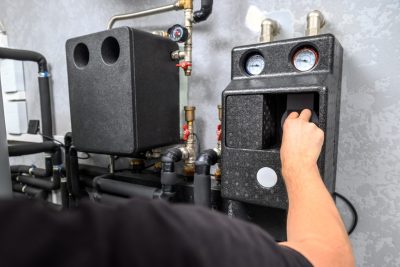
This course covers thermodynamics and heat transfer principles for environmental process engineering, including energy conversion, refrigeration cycles, heat exchangers, and thermal system design.
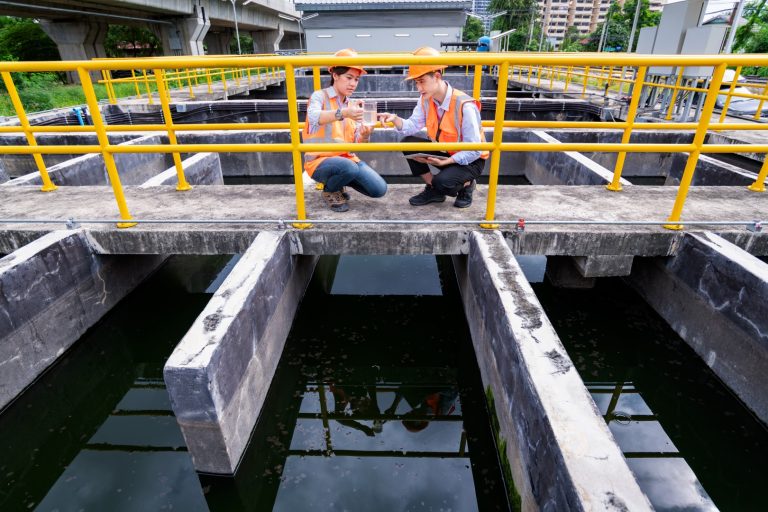
This course covers technologies and processes for treating water and wastewater in municipal and industrial settings, including pollutant sources, physical/chemical/biological treatments, emerging contaminants, resource recovery, and sustainable design.

Learn from Leaders
More InfoPh.D in Environmental Engineering

Learn from LeadersMore InfoPh.D. in Environmental Science

Learn from LeadersRead More About Professor KindrickMS in Environmental Engineering, BS in Chemistry

Learn from LeadersMore About JustinMS in Chemical and Biomolecular Engineering, BS in Chemical Engineering





Balance life, work, and education by studying when and where you want.

Accepting up to 90 transfer credits to graduate sooner and save money.

Up to 8 terms each year let you take breaks without affecting financial aid.

Ranked in the top 1% of universities nationwide by the Social Mobility Index.

Nationally recognized educational quality at an affordable price.

Dedicated to turning career and academic aspirations into tangible achievements.

Connect with experts who share your passion for working in the animal industry.

Focused on sustainable practices for an environmentally aware future.
