Wondering how to become a game warden? The path is demanding, and it rewards people who want to protect wildlife, help others, and step up when they’re needed.
A game warden is a law enforcement officer who protects wildlife, natural resources, and the people who use them. Depending on the state, you may hear the role called a conservation officer or wildlife officer. Agencies set a high bar for the job. Before training even begins, they expect a relevant degree, a clean record, and passing results on a physical fitness test, a psychological screening, and often a lie detector test.
That high bar makes your education one of the most important choices you’ll make early on. At Unity Environmental University, the B.S. in Conservation Law Enforcement combines wildlife and marine law enforcement with courtroom procedure, evidence handling, and firearms training, the skills wardens rely on once they’re on patrol. Knowing what the job involves, where wardens work, and what it takes to get hired can help you decide whether this career is the right fit for you.
What Does a Game Warden Do?
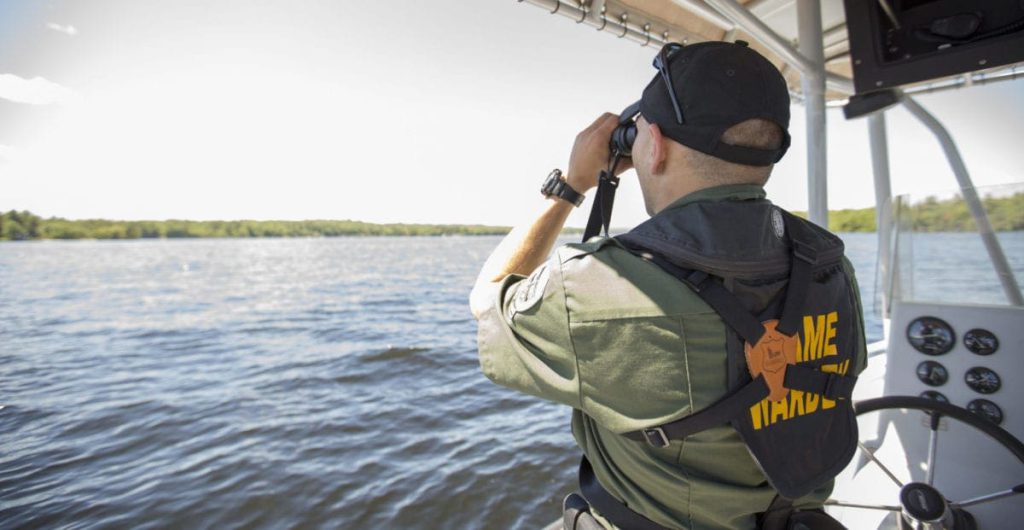
Game wardens enforce the fishing, hunting, and boating laws that protect wildlife and natural resources, and they teach the public why those laws matter. A game warden’s job description depends on the state, the agency, and the officer’s rank. Most of the work, though, shifts from enforcement to investigation, education, and emergency support.
Typical game warden responsibilities include:
- Patrolling assigned areas by car, boat, horse, or on foot
- Issuing and checking hunting, fishing, and boating permits
- Investigating reports of fish or game law violations
- Issuing warnings or citations and filing reports as necessary
- Investigating hunting accidents
- Investigating and helping to prevent crop or habitat destruction
- Protecting and preserving native wildlife, plants, and ecosystems
- Leading wildlife education programs for the public
- Participating in search-and-rescue operations
- Providing assistance to other local law enforcement agencies as required
The work also changes as you advance. Game warden ranks follow a military-style structure, moving from sergeant to lieutenant, captain, and colonel, and many of these are leadership positions. Entry-level officers, often called game warden cadets, spend most of their days on patrol and completing paperwork. Senior game wardens, by contrast, manage teams and oversee the protection of large recreation areas.
Where Do Game Wardens Work?
Nearly every game warden works for the government. In May 2023, the U.S. Bureau of Labor Statistics (BLS) counted about 95% of fish and game wardens on state government payrolls, with most of the rest working for local governments. Your employer shapes your jurisdiction, and the job itself splits your time between the field and the office.
State wildlife agencies employ the large majority of game wardens, usually through a department of natural resources or a fish and wildlife division. The Maine Warden Service, for example, has hired Unity Environmental University students into its ranks.
Federal and local agencies hire a smaller number of officers. At the federal level, wildlife officers serve with agencies such as the U.S. Fish and Wildlife Service, while some counties and cities employ their own conservation officers.
In the field is where most of the job takes place, across forests, lakes, rivers, and back roads, often in remote areas and through every season. The work keeps you active and outdoors, and the training you complete before your first patrol prepares you for the situations that come with enforcing the law. Depending on the assignment, you may patrol on your own or alongside a partner or team.
In the office, wardens write reports, document cases, and handle the administrative side of enforcement. Senior officers also spend part of this time planning patrols and coordinating their teams.
How Do You Become a Game Warden?
Most game wardens follow the same general path to the job, whichever state they end up serving. The education needed to become a game warden usually includes an associate’s or bachelor’s degree with a strong science background. Agencies then look for field experience, successful hiring assessments, and a completed training academy.
How long does it take to become a game warden? For most people, meeting the full set of education and training requirements takes about three to five years after high school, with each step building on the last.
Step 1: Start Preparing in High School
Because the job is highly selective, the habits that help you get hired start forming well before college. A few priorities make the biggest difference:
- Regular cardio and strength training to build the fitness you’ll need for agency testing
- A clean record, since certain criminal convictions automatically disqualify applicants
- Membership in the Junior Reserve Officers’ Training Corps (JROTC) or a local conservation organization to show early commitment to public service and the outdoors
In the classroom, courses and electives in biology, environmental science, animal science, criminology, and psychology give you a useful foundation for the college coursework ahead.
Step 2: Earn a Degree in a Related Field
If you’re wondering what degree you need to be a game warden, no single major is required, because there is no specific game warden school. Most agencies prefer a bachelor’s degree, which typically takes four years, though some accept an associate’s degree. The strongest options connect wildlife science with the enforcement side of the job:
- Conservation law enforcement: The most direct preparation for the role, pairing ecology and wildlife law with courtroom procedure, evidence handling, and firearms training
- Environmental crime investigation: A strong fit if the investigative side of the job appeals to you, with coursework on how conservation law fits within the justice system and how cases involving wildlife and marine resources are built
- Wildlife conservation: A foundation in the species, habitat, and population management wardens deal with daily, along with the natural resource laws that protect them
Degrees in environmental science, criminal justice, or biology can also qualify you. For a director or other leadership role later in your career, a master’s degree in wildlife ecology and management can lead to higher pay and promotion.
Step 3: Gain Field Experience
A degree shows you understand the work, and agencies also want proof that you can handle the outdoors and the public. Internships with state wildlife agencies, seasonal work at parks or fish hatcheries, and volunteering with conservation groups all provide that proof, and hiring panels often weigh it heavily. Military service can strengthen your application too, since it demonstrates discipline and physical readiness.
As you build experience, keep a record of your hours, supervisors, and responsibilities to make applications and background investigations easier later. Some degrees build this step into the program itself: Unity’s B.S. in Conservation Law Enforcement includes an internship as part of the curriculum, so you can gain field experience while you study.
Step 4: Meet Your State’s Game Warden Requirements
Every state and agency sets its own game warden requirements, so the hiring page of the wildlife agency you want to join is the best place to confirm the details. Most hiring processes include some combination of these assessments:
- Background check to show you’re morally fit for the job
- Fitness test to prove you’re physically ready for patrol and fieldwork
- Written exam to assess the knowledge and judgment the role requires
- Psychological screening to confirm you’re prepared for a demanding position
- Polygraph test, which many agencies require
Because the work is physically and emotionally demanding, many states also set minimum and maximum hiring ages. For federal conservation officers, the age range at the time of hire is 21 to 37.
Step 5: Graduate From a Game Warden Training Academy
Once an agency hires you as a game warden cadet, your focus shifts from education to training. Warden academies resemble police academies and are often combined with them, running three months to one year depending on the state or agency. Expect the training to be physically challenging and intensive, with instruction in:
- Firearm use and certification
- Aggressive driving tactics
- Interviewing strategies
- How to operate a boat
- Wildlife and fish identification practice
After graduation, some wardens go on to specialized training for teams such as Search and Rescue, Honor Guard, or K-9 units, depending on the needs of their area.
How Much Do Game Wardens Make? Salary and Job Outlook
Fish and game wardens earned a mean annual wage of $74,950 as of May 2025, according to BLS, with a median hourly wage of $35.60. Because those national figures include officers at every level of education and experience, your own pay will depend on your rank, your employer, and especially the state you serve.
State-level BLS data from May 2023 shows how much location matters, with the top-paying states averaging more than $75,000 a year:
| State | Average Annual Salary | Average Hourly Rate |
| California | $89,020 | $42.80 |
| Minnesota | $88,280 | $42.44 |
| Washington | $82,320 | $39.58 |
| New York | $76,060 | $36.57 |
| North Dakota | $75,720 | $36.40 |
Top 5 States for Game Warden Salary in U.S. (May 2023). Source: U.S. Bureau of Labor Statistics (BLS)
Openings come up steadily each year. Nationwide, about 500 game warden positions are projected to open annually from 2024 to 2034, according to O*NET, largely as experienced officers retire or move into other roles. That regular turnover creates consistent opportunities for candidates who arrive prepared.
So how hard is it to become a game warden? With a few hundred openings a year across the country, it’s competitive, and agencies can afford to be selective. A relevant degree, documented field experience, and a clean record are what help an application stand out, so expect a challenge before you land your first posting.
If you’re drawn to this kind of work, the same outdoor and conservation skills also lead to careers as a park ranger or wildlife conservationist, both worth exploring as you plan your path.
Start Your Game Warden Career Path at Unity Environmental University
Every game warden reaches the job the same way: through preparation that begins long before the first patrol. Of all the steps, education is the one you can start on right away, and it sets you up for each stage of hiring that follows.
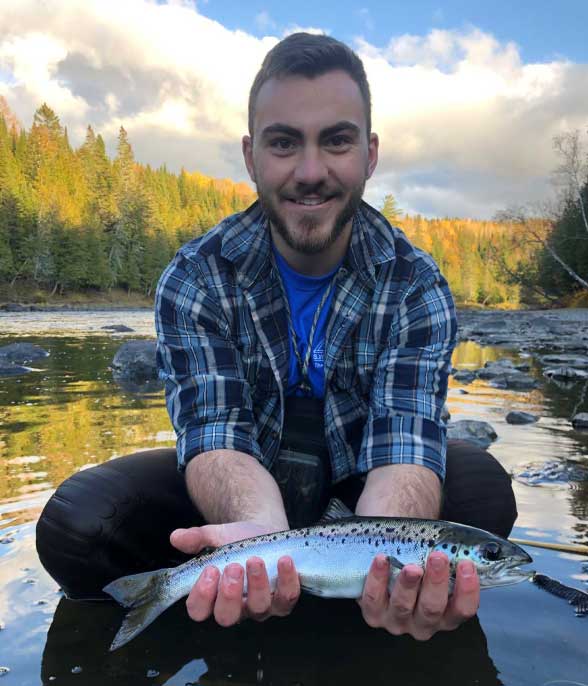
Emerson Duplissie-Cyr knew early that he wanted to become a Maine game warden, and choosing the right degree helped him get there sooner:
“I have always wanted to be a Maine Game Warden and would not have progressed so quickly without going to Unity. I have been able to start my career ahead of schedule.”
Emerson Duplissie-Cyr, Maine Game Warden & Unity Environmental University Alumni
Unity Environmental University’s B.S. in Conservation Law Enforcement builds the skills wardens rely on, from wildlife and marine law enforcement to courtroom procedure, evidence handling, and firearms training. The program includes an internship as part of the curriculum, and Unity ranks in the top 1% nationally for social mobility.
Apply now and start working toward your career as a game warden.