
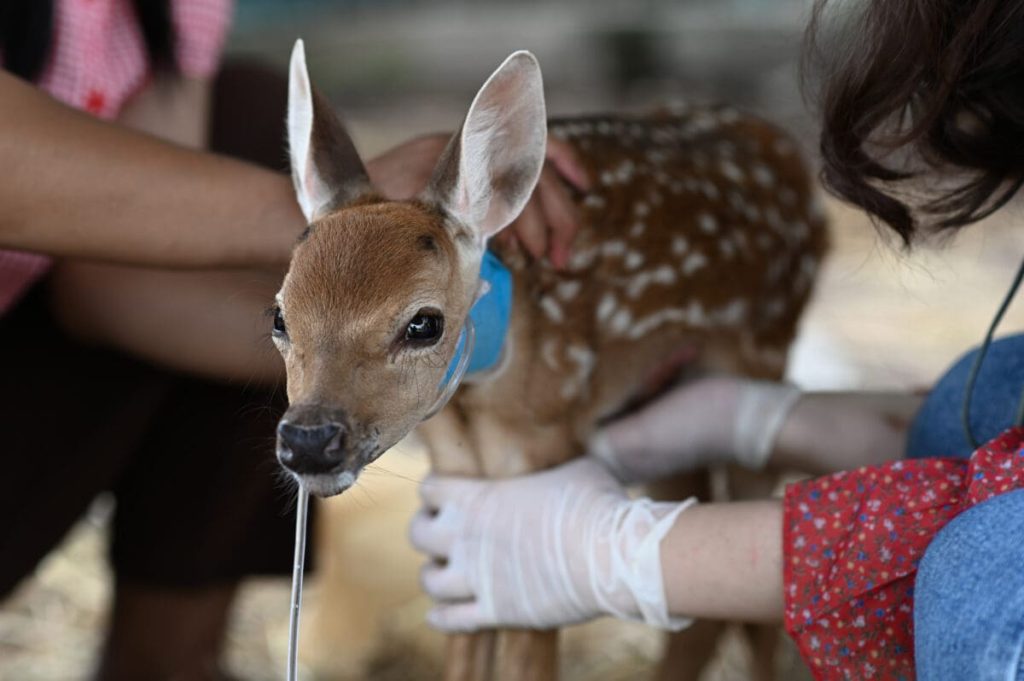
A fawn found alone at the edge of a field, a hawk clipped by a car, a raccoon tangled in garden netting: wildlife rehabilitators take those calls, stabilize the animal, and work toward the day it can return to the wild. If you’re figuring out how to become a wildlife rehabilitator, the path is less about a single diploma and more about combining animal science, supervised experience, and the state permit that makes it legal to care for wild animals at all.
That combination sets this field apart from most animal careers. In most states, you can’t keep an injured wild animal, even to help it, without a permit, and the training you bring shapes how quickly you get there. For example, Unity Environmental University’s Bachelor of Science in Wildlife Care and Rehabilitation includes a full course on rehabilitation techniques, from rescue to release. Once you know what the work involves, where it happens, how each step builds on the last, and what related roles pay, you can decide where to start, whether you’re still in high school or changing careers.
What Does a Wildlife Rehabilitator Do?
A wildlife rehabilitator cares for sick, injured, and orphaned wild animals with one goal: returning each one to the wild, able to survive on its own. That goal shapes everything about the job. Rehabilitators handle animals as little as possible so they stay wary of people, which sets the work apart from caring for pets or zoo animals, where a bond with humans is part of the job.
Most cases follow the same arc, from the first call to the day of release. Along the way, a wildlife rehabilitator’s job description typically includes:
- Rescue calls, often ending in a trip into the field to recover an injured or orphaned animal
- Intake exams that check each new arrival for injuries, illness, dehydration, or parasites
- Medical care, such as medications, fluids, and wound care, following a plan built with a veterinarian
- Species-specific diets, including round-the-clock feedings for orphaned young
- Enclosures kept clean and matched to each animal’s stage of recovery
- Detailed records of each animal’s treatment and progress
- Release into suitable habitat once the animal can survive on its own
That arc can start far from the facility. A rescue may mean driving to a remote area and judging on the spot whether an animal can travel safely. Large or frightened animals require protective gear and a team, so the work is as physically demanding as it is detail-oriented.
Not every part of the job involves an animal in care. Many calls come from people who found a fledgling learning to fly or a fawn waiting for its mother, and helping them see when to leave an animal alone prevents rescues that were never needed. Rehabilitators also train and supervise the volunteers many facilities depend on. How they divide their time among these tasks depends largely on where they work.
Where Do Wildlife Rehabilitators Work?
The setting decides more than the daily routine. It shapes which species come through the door, how much medical support is available, and whether the role is paid. Most rehabilitators work in one of three places:
Nonprofit rehabilitation centers. Independent centers range from small local operations to wildlife hospitals with on-site veterinary staff. The larger ones typically employ paid staff, such as rehabilitation technicians, who work alongside trained volunteers.
Home-based rehabilitation. Many licensed rehabilitators care for animals at home under their own state permit, often focusing on a few species such as songbirds, squirrels, or turtles. This work is usually unpaid. For example, New York’s environmental agency describes its license as a path to becoming a volunteer wildlife rehabilitator.
Species-focused centers, zoos, and aquariums. Raptor centers, sea turtle hospitals, and some zoos and aquariums run rehabilitation programs for specific animal groups. These settings suit people who want to build deep expertise in one group of species.
Whatever the setting, the work rarely keeps office hours. Intake peaks in spring and summer, when orphaned young arrive and may need feeding every few hours, and Washington’s wildlife agency describes rehabilitation as a round-the-clock commitment. That demand is one reason states require real experience before issuing a permit.
How to Become a Wildlife Rehabilitator
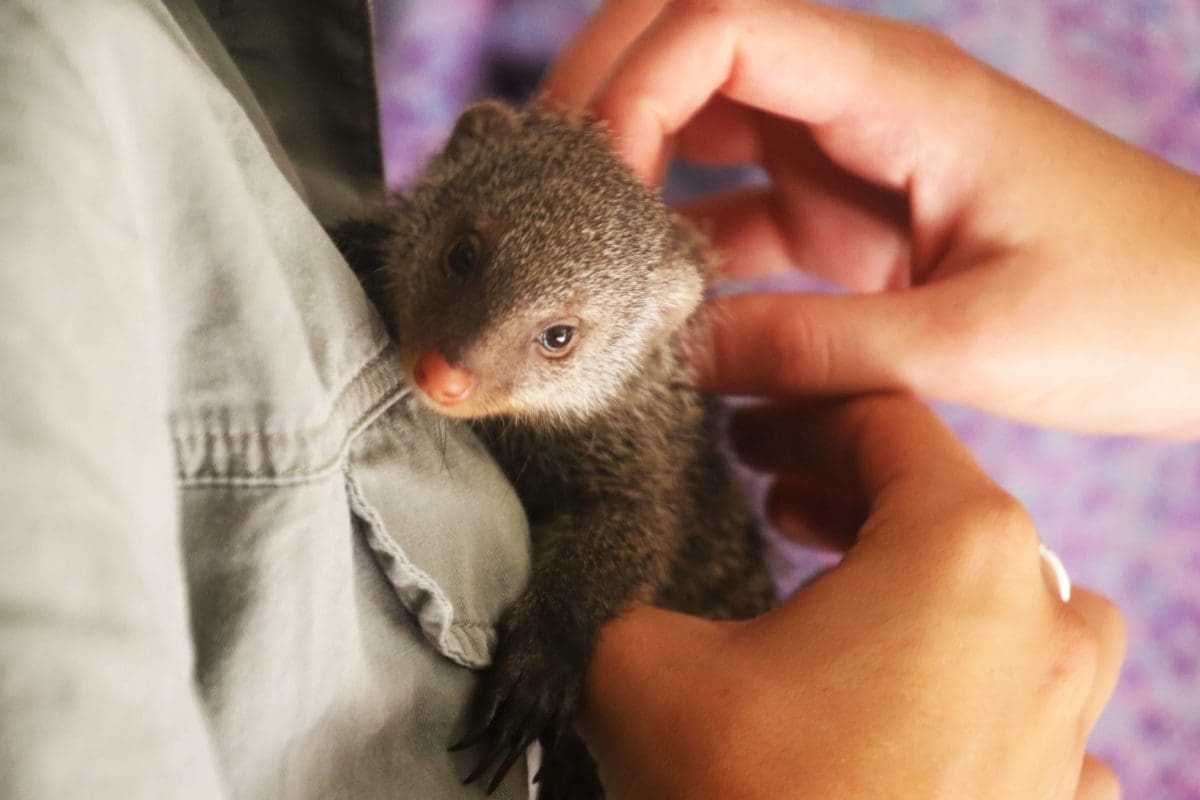
No single route is required, but most rehabilitators build the same pieces over several years: animal experience, scientific training, supervised hours, a permit, and sometimes a certification. The order can shift. Some people start volunteering as teenagers, while career changers often arrive with a degree in hand and log their hours afterward.
1. Start Building Animal Experience in High School
High school is early enough to find out whether the work suits you. Federal permits for migratory birds require applicants to be at least 18, and many centers set minimum volunteer ages, so the first goal is to spend time around animals and learn the science behind their care. Good places to start include:
- Advanced biology and any environmental science courses your school offers
- Volunteer shifts at an animal shelter or nature center
- Youth volunteer or internship programs at local rehabilitation centers
- A school volunteer club that partners with a local center
2. Earn a Degree in Animal or Wildlife Science
Do you need a degree to be a wildlife rehabilitator? It’s the most direct way to build the science the work depends on, from assessing an animal at intake to planning its diet and release. That knowledge also helps at the permit stage, since exams in states like Maine test wildlife biology, ecology, and rehabilitation practices.
A degree matters even more for paid roles, where employers largely set wildlife rehabilitator education requirements. Larger centers and wildlife hospitals tend to favor applicants with formal training, and the International Wildlife Rehabilitation Council (IWRC) encourages future rehabilitators to study a related science. Degree paths that fit include:
- Wildlife care and rehabilitation: This is the most direct match, covering husbandry, nutrition, behavior, and rehabilitation techniques in one program.
- Animal health and behavior: It builds the medical foundation, with coursework in physiology, disease, and behavior.
- Wildlife biology or zoology: These fields teach the ecology behind each species you treat and keep research careers open, including work as a zoologist.
- Veterinary technology: A vet tech program leads to a state credential and clinical skills, like lab work and wound care, that wildlife hospitals rely on.
3. Log Volunteer Hours Under a Licensed Rehabilitator
Supervised hours are where the earlier steps turn into practice, and most states expect you to log them under someone who already holds a permit. Washington, for example, requires six months or 1,000 hours with a permitted rehabilitator, including three months during spring or summer, before you can apply. The federal migratory bird permit asks for 100 hours of experience, with up to 20 of those hours allowed through approved seminars and courses.
Choose a center that treats the species you most want to work with, and commit to a full busy season if you can. The rehabilitators you work with are often the ones who vouch for you when you apply for a permit.
4. Apply for Your State Wildlife Rehabilitation Permit
Becoming a licensed wildlife rehabilitator happens through your state’s wildlife agency, and each state sets its own process. Songbirds, raptors, and waterfowl are also protected under federal law, so rehabilitators who treat them also need a federal permit. A few examples show how much requirements vary:
| Where You Apply | What You’ll Need |
| Maine | Documented training, two professional references, a statement of support from a licensed veterinarian, a background check, a written exam, and a facility inspection; there is no permit fee |
| New York | A score of 80% or higher on a written exam and an interview with regional wildlife staff; the license is free and lasts five years |
| Washington | Six months or 1,000 hours of supervised experience, an application, and a score of 80% or higher on a written exam |
| California | Permits are issued to rehabilitation facilities through an agreement with the state; opening a new facility requires 400 hours of experience at a permitted California facility within two years, letters from two nearby permitted facilities, and a facility inspection |
| Florida | An approved basic rehabilitation course, then at least one year as an Apprentice under a sponsoring rehabilitator within 120 miles before you can upgrade; both levels require an attending veterinarian and a facility inspection |
| Pennsylvania | A score of 80% or higher on a supervised exam, an oral interview, photos or video of your facility, and a facility inspection; most counties allow only two rehabilitation permits |
| Texas | An approved training course, a perfect score on the state exam, and a letter of recommendation; new rules effective September 1, 2027, add a 600-hour apprenticeship spanning at least two years and a letter from a consulting veterinarian |
| Migratory birds, all states | A separate federal rehabilitation permit from the U.S. Fish and Wildlife Service, in addition to any state permit |
Permits also set which species you can accept, so it helps to read your state agency’s rules early, before you choose where to log your hours.
5. Consider a Wildlife Rehabilitation Certification
A permit is the legal requirement, while a wildlife rehabilitation certification is a voluntary credential that shows employers what you know. The best-known is the IWRC’s Certified Wildlife Rehabilitator (CWR) credential, which is earned by passing an exam. Requirements have changed over time, so check the IWRC’s current certification guidelines before you register.
Keep in mind that finishing a wildlife rehabilitation class earns a certificate of completion, which is useful training, but it doesn’t make you certified or licensed on its own.
How Much Do Wildlife Rehabilitators Make? Salary and Job Outlook
Once you’re working in the field, pay depends on your role, experience and credentials, employer, and location. Paid positions range from entry-level animal care to clinical and science roles, and three related occupations tracked by the U.S. Bureau of Labor Statistics (BLS) show that range:
| Career | Median Pay (May 2025) | Projected Growth (2025–35) |
| Animal caretakers | $35,360 | 12% |
| Veterinary technologists and technicians | $47,380 | 9% |
| Zoologists and wildlife biologists | $76,780 | 4% |
BLS doesn’t track wildlife rehabilitators as a separate occupation, so these figures reflect the roles rehabilitation work most closely resembles. Direct care positions at rehabilitation centers align most closely with animal caretaker pay, while veterinary technicians earn more, reflecting the credentials their roles require. The wildlife biologist figure reflects agency and research roles, which typically require a bachelor’s degree.
The outlook is steady. BLS projects that animal caretakers will add about 44,100 jobs between 2025 and 2035, much faster than the average for all occupations. For zoologists and wildlife biologists, BLS expects about 1,400 openings each year, mostly as workers retire or change careers, though government funding shapes how many become available.
If the science or education side of animal work appeals to you, roles such as zookeeper, wildlife conservationist, and veterinarian build on many of the same skills.
Start Your Wildlife Rehabilitation Career at Unity Environmental University
Wildlife rehabilitation rewards preparation. The more you understand about how wild animals heal, eat, and behave, the more confidently you can handle each case, and the more options you’ll have when you’re ready to move from volunteer work to a paid role.
Unity Environmental University’s BS in Wildlife Care and Rehabilitation, taught in-person at Unity at Pineland in Maine, is built for this path. Coursework covers animal care and training, nutrition, and behavior, then moves into rehabilitation techniques from rescue to release. An internship with a wildlife organization, zoo, or aquarium gives you supervised experience before you graduate.
There’s more than one way to get started. If you’re beginning at a two-year school, Unity’s transfer agreements with 11 partner colleges in Maine and New Hampshire let you bring in a full associate degree as a block of credit, and Central Maine Community College has a mapped path into this program. If moving to Maine isn’t realistic, the BS in Animal Health and Behavior covers animal health, nutrition, and behavior through remote learning, with up to eight terms a year.
Request information about the BS in Wildlife Care and Rehabilitation, or apply now to take your first step toward a career in wildlife rehabilitation.
Common Questions About Becoming a Wildlife Rehabilitator
How Long Does It Take to Become a Wildlife Rehabilitator?
It depends on the route you take. A bachelor’s degree typically takes about four years of full-time study, and the supervised experience states require before issuing a permit can add several months or more. Many people volunteer while they’re in school, so they’re ready to apply for a permit soon after graduating.
Do Wildlife Rehabilitators Get Paid?
Yes, paid roles are available in this field, mainly at larger rehabilitation centers, wildlife hospitals, zoos, and aquariums. Pay tends to rise with credentials such as a veterinary technician license or a related degree. Volunteering is also common, especially early in a career or for rehabilitators who care for animals at home under their own permits, and it’s often how people build the experience paid roles look for.
Can You Rehabilitate Wildlife at Home?
In many states, yes, once you hold the right permit. Home-based rehabilitators typically need suitable housing for each species they accept and a working relationship with a veterinarian. Maine’s permit application, for example, asks applicants to list the species they’ll care for and the space they have for each. If you find an injured animal and don’t hold a permit, contact a licensed rehabilitator or your state wildlife agency.
What Is the Difference Between a Wildlife Rehabilitator and a Wildlife Biologist?
A wildlife rehabilitator focuses on individual animals, treating each one until it can be released. A wildlife biologist studies populations and ecosystems, collecting and analyzing data to guide conservation and management decisions. Biologists typically need a bachelor’s degree to start, and higher-level research roles often require a master’s degree.
Explore More Career Paths Related to Wildlife Rehabilitator
Animal Care Specialist
An animal care specialist may work with wild or domestic animals in a variety of settings such as a zoo, veterinarian office, animal shelter, or sanctuary. They assist with basic care, from feeding animals to administering medication.
Wildlife Conservationist
Are you passionate about conservation? Consider a job as a wildlife conservationist if you are interested in studying the relationships between people, wildlife, and the environment. Wildlife conservationists help to protect animals and their ecosystems, including advocating for preservation and educating the public.
