Renewable energy is already changing how the world produces electricity and heat. In 2025, the world added a record 800 gigawatts (GW) of renewable power capacity, with solar energy accounting for more than three-quarters of new capacity. Wind accounted for another 20%.
Renewable energy sources supplied 34% of global electricity generation in 2025, up from 32% in 2024. Solar and wind together accounted for 17% of global electricity generation.
This rapid growth is creating new opportunities, but it also brings challenges. Expanding renewable energy requires updated electric grids, energy storage, environmental planning, resilient infrastructure, and professionals who understand how energy systems interact with the environment and society.
From solar power in Florida to geothermal heating in Iceland, these five renewable energy projects demonstrate how different technologies are being used around the world.
What Is Renewable Energy?
Renewable energy is energy produced from natural resources that are replenished on a human timescale. Common renewable energy sources include sunlight, wind, moving water, organic materials, and heat from within the Earth.
Unlike fossil fuels, which take millions of years to form, renewable resources can be naturally replenished. Renewable energy can be used to generate electricity, produce heat, and support transportation and industrial processes.
Renewable energy technologies can also reduce reliance on fossil fuels and lower greenhouse gas emissions. However, renewable energy is not without environmental impacts. Solar farms, wind turbines, hydropower facilities, biomass production, and geothermal development can all affect land, water, wildlife, or other natural resources.
Responsible renewable energy development requires understanding both the benefits and potential environmental impacts of each technology.
What Are the 5 Main Types of Renewable Energy?
The five renewable energy sources highlighted in this article are:
- Solar energy, which uses sunlight to generate electricity or heat.
- Wind energy, which uses moving air to generate electricity.
- Hydropower, which uses moving or falling water to generate electricity.
- Biomass energy, which uses organic materials to produce electricity, heat, or fuels.
- Geothermal energy, which uses heat from beneath Earth’s surface.
These technologies play different roles in energy systems. Solar and wind are currently driving much of the world’s renewable capacity growth, while hydropower remains the largest source of renewable electricity generation globally.
1. Solar Energy
How Does Solar Energy Work?
Solar energy captures energy from sunlight. Photovoltaic (PV) panels convert sunlight directly into electricity, while solar thermal systems use sunlight to produce heat.
Solar energy can be used on individual homes and businesses or deployed in large utility-scale solar farms.
Solar PV is currently the fastest-growing major renewable power technology. In 2025, more than 600 GW of new solar PV capacity was added globally, bringing total installed solar PV capacity to approximately 2,800 GW.
Renewable Energy Project: Babcock Ranch, Florida
Babcock Ranch, located near Fort Myers, Florida, is an example of how solar power can be incorporated into a larger development.
The town’s two Florida Power & Light solar energy centers occupy approximately 870 acres and have a combined capacity of 150 megawatts. Together, they use approximately 687,000 solar panels. The solar facilities generate more renewable electricity than the town consumes on a net basis.
Babcock Ranch also incorporates battery storage, solar-powered electric vehicle charging, and other energy-efficient technologies.
The project demonstrates how renewable energy can be considered alongside community design, infrastructure, conservation, and resilience.
2. Wind Energy
How Does Wind Energy Work?
Wind turbines convert the kinetic energy of moving air into electricity. Wind farms can be built on land or offshore.
Wind energy is one of the world’s largest sources of new renewable power capacity. Global wind capacity additions reached approximately 160 GW in 2025, a new annual record and nearly 40% more than the previous year.
Renewable Energy Project: Samsø, Denmark
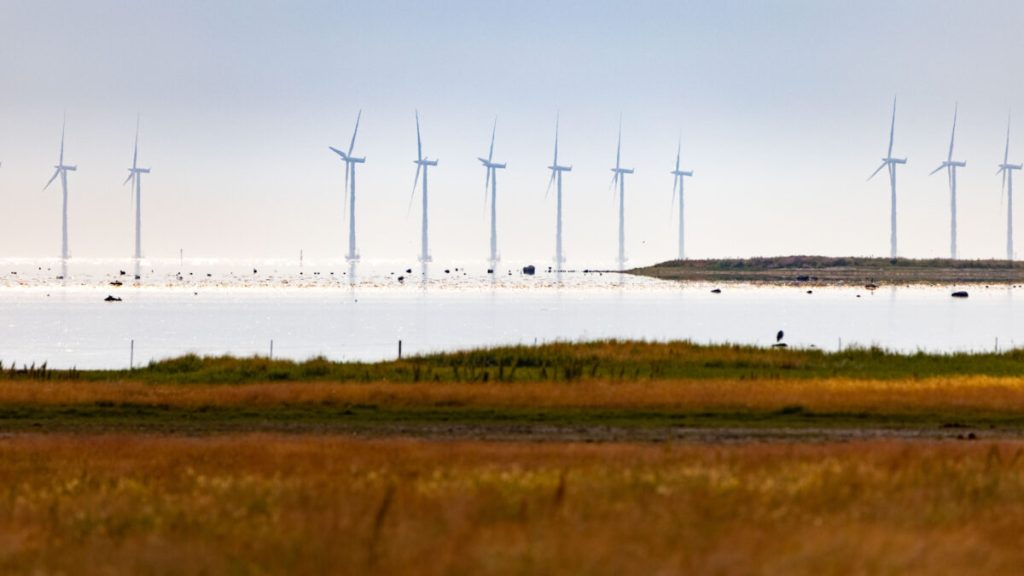
The Danish island of Samsø is widely recognized for its transition toward renewable energy.
The island uses a combination of onshore and offshore wind turbines, solar energy, biomass, and other renewable resources. Its experience demonstrates that an energy transition involves more than installing new technology.
Samsø’s approach also involved long-term planning, investment, infrastructure, land-use decisions, and local participation.
The island offers an example of how renewable energy projects can become part of a broader strategy for changing how a place produces and uses energy.
3. Hydropower
How Does Hydropower Work?
Hydropower generates electricity by using moving or falling water to turn turbines. Hydroelectric systems range from small run-of-river facilities to some of the world’s largest infrastructure projects.
Hydropower remains the largest source of renewable electricity generation worldwide. It can also provide flexibility for electric grids because some hydropower facilities can adjust electricity production as demand changes.
However, hydropower projects can also affect river ecosystems, fish and wildlife, sediment movement, and surrounding landscapes. Environmental assessment and long-term management are important parts of responsible hydropower development.
Renewable Energy Project: Itaipu Dam, Brazil and Paraguay
The Itaipu hydroelectric plant on the Paraná River is one of the world’s largest hydropower facilities. Brazil and Paraguay jointly operate the 14-GW facility, which has 20 generating units.
Itaipu reports that the facility supplies approximately 8.6% of Brazil’s electricity consumption and 86.3% of Paraguay’s.
The project demonstrates the potential scale of hydropower while also illustrating why major energy infrastructure requires careful consideration of environmental and regional impacts.
4. Biomass Energy
What Is Biomass Energy?
Biomass energy uses organic materials such as wood, agricultural residues, and certain types of organic waste to produce electricity, heat, or fuels.
Biomass can be considered renewable when the resources used to produce it are replenished sustainably. Its environmental impact depends on factors such as how materials are grown or collected, transported, processed, and managed.
Renewable Energy Project: Finland
Finland offers an example of how several renewable energy sources can contribute to a national energy system.
In 2024, renewable sources accounted for 57% of Finland’s electricity production. Wind power represented 25% of electricity production, making it the country’s second-largest source of electricity after nuclear power. Wood-based fuels also remained an important renewable energy source.
Renewable sources accounted for 43% of Finland’s total energy consumption in 2024.
Finland’s energy system demonstrates why renewable energy is not limited to one technology. Different regions can combine renewable resources based on their available land, natural resources, infrastructure, and energy needs.
5. Geothermal Energy
What Is Geothermal Energy?
Geothermal energy uses heat from beneath Earth’s surface. Depending on the location and technology, geothermal resources can generate electricity or provide direct heating for buildings and industrial processes.
One advantage of geothermal energy is its ability to provide a relatively consistent source of energy regardless of weather conditions.
Renewable Energy Project: Reykjavík, Iceland
Reykjavík is one of the world’s best-known examples of geothermal energy for heating.
Geothermal resources provide heating for homes throughout Reykjavík and neighboring municipalities. Iceland has been able to make extensive use of geothermal energy because of its unique geological conditions and abundant geothermal resources.
The example demonstrates how local geography can influence which renewable energy technologies make the most sense in a particular region.
What Are the Benefits of Renewable Energy?
Renewable energy can provide several potential environmental and economic benefits, including:
- Lower greenhouse gas emissions: Renewable electricity can reduce reliance on fossil-fuel generation.
- Diversified energy systems: Multiple renewable resources can reduce dependence on a single energy source.
- Energy security: Locally available renewable resources can reduce reliance on imported fuels.
- New infrastructure and investment: Renewable energy development creates demand for new generation, transmission, storage, and other infrastructure.
- Employment opportunities: Renewable energy and related industries require workers across engineering, construction, environmental science, business, technology, and other fields.
The scale of the renewable energy sector continues to expand. The IEA reports that global renewable capacity additions reached a record 800 GW in 2025.
What Are the Challenges of Renewable Energy?
Renewable energy also presents challenges that must be addressed as deployment grows.
Grid integration is one of the most important. Solar and wind generation can vary depending on weather and time of day, creating a need for stronger transmission networks, energy storage, and other sources of flexibility.
Other challenges include:
- Expanding and modernizing electric grids
- Developing energy storage
- Permitting new energy infrastructure
- Managing land-use and wildlife impacts
- Building resilient energy systems
- Securing materials and supply chains
- Financing large-scale projects
- Developing a workforce with the necessary technical and environmental expertise
The IEA identifies grid integration, supply chains, financing, and permitting among the challenges that will influence renewable energy growth through 2030.
These challenges also create opportunities for professionals who can approach renewable energy from multiple perspectives.
What Careers Work With Renewable Energy?
Renewable energy careers extend well beyond installing solar panels or maintaining wind turbines.
Professionals working on renewable energy projects may have backgrounds in:
- Environmental science
- Environmental engineering
- Sustainability
- Energy management
- Business
- Project management
- Data and technology
- Environmental policy
- Conservation and natural resource management
Because renewable energy projects interact with ecosystems, infrastructure, businesses, and people, the industry needs professionals who understand both technical systems and environmental considerations.
Want to Build Skills for a Changing Energy Landscape?
Unity Environmental University offers online programs focused on environmental science, engineering, sustainability, business, and emerging technologies.
Students interested in renewable energy and related environmental challenges can explore programs such as Environmental Engineering, Environmental Studies, and Sustainable Business Management.
Whether your interests are technical, environmental, or business-focused, an education in sustainability can help you understand the challenges shaping the energy systems of the future.
The Future of Renewable Energy
Renewable energy is already a major part of the global energy system. In 2025, renewable sources supplied 34% of global electricity, while solar and wind together supplied 17%.
The next stage of the energy transition will involve more than adding renewable generation. Countries and organizations will need to expand electric grids, improve energy storage, address environmental impacts, strengthen supply chains, and develop systems that can reliably integrate growing amounts of solar and wind power.
The projects highlighted in this article show how renewable energy technologies are being used in different environments and at different scales.
They also point to a larger opportunity: developing the knowledge and skills needed to make energy systems more sustainable, resilient, and environmentally responsible.
For students interested in that work, the future of renewable energy offers opportunities across science, engineering, sustainability, business, and technology.
Explore Unity’s Online Environmental and Sustainability Programs