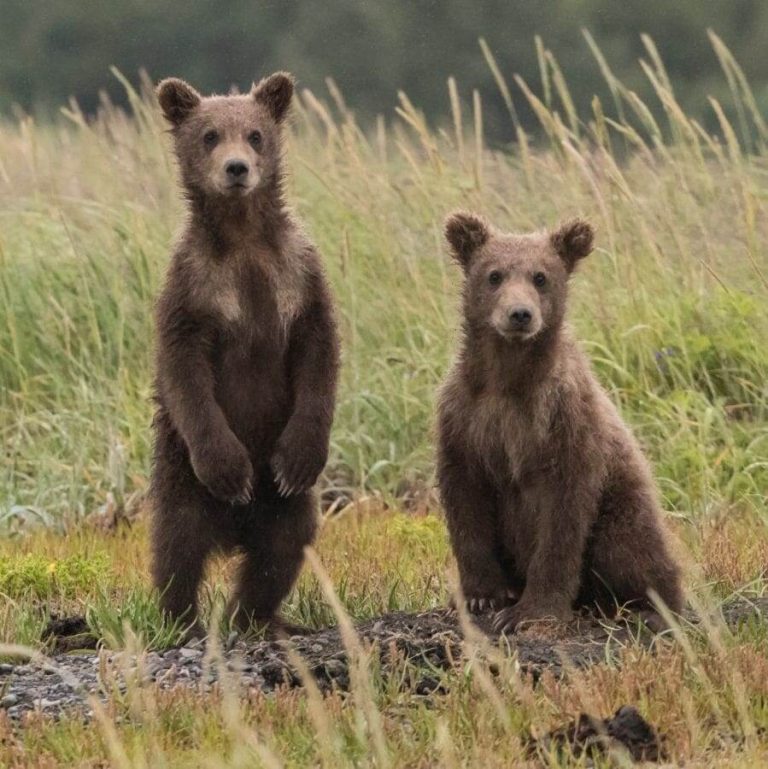
Environmental crime investigators combine science, technology, and law to detect and respond to illegal wildlife trafficking, pollution, and natural resource exploitation. They protect ecosystems and preserve biodiversity while pursuing impactful careers.
Graduates of Unity Environmental University’s Applied Bachelor of Science in Environmental Crime Investigation will have the skills to pursue roles in wildlife forensics, digital investigation, environmental compliance, GIS analysis, and policy support. Each career path empowers professionals to make measurable differences in conservation, enforcement, and sustainability efforts.
What Environmental Crime Investigation Professionals Do
Environmental crime investigators apply knowledge of ecology, criminology, and technology to address environmental violations. Their work may include:
- Investigating wildlife crimes such as poaching, trafficking, and habitat destruction
- Collecting and analyzing digital evidence from drones, GPS devices, and other technology
- Conducting GIS mapping and spatial analysis to track environmental crime patterns
- Advising agencies and organizations on compliance, policy, and conservation strategies
- Collaborating with nonprofits or international groups to protect ecosystems
These professionals ensure environmental crimes are detected and addressed while promoting long-term ecosystem health.These professionals ensure environmental violations are detected and addressed while promoting long-term ecosystem health.
Environmental Crime Investigation Career Paths
Environmental crime investigation isn’t tied to a single type of employer. The work happens anywhere environmental laws are enforced or monitored, and graduates can find opportunities in settings like these:
- Federal, state, tribal, or local environmental enforcement agencies
- Wildlife and conservation organizations
- Environmental nonprofits and international organizations
- Research institutions and laboratories
- Consulting firms specializing in environmental compliance and sustainability
Common Job Titles
Titles vary by employer, so it helps to search by the work itself as well as by title.
| Role | What the Work Involves |
|---|---|
| Wildlife Forensics Analyst | Analyzes physical, chemical, or biological evidence from wildlife and environmental cases |
| Digital Forensics Specialist (Environmental Cases) | Recovers and analyzes device data, drone footage, and communications tied to a case |
| Environmental Crime Investigator | Investigates wildlife and environmental violations; at government agencies, this is often a sworn law enforcement role |
| GIS and Spatial Analyst | Supports enforcement and monitoring through spatial data and analytics |
| Policy and Compliance Officer | Shapes laws, regulations, and programs that prevent environmental harm |
| Conservation Program Coordinator | Leads projects that protect wildlife and ecosystems |
| Environmental Compliance Analyst | Ensures organizations follow environmental regulations and best practices |
| Conservation Law Enforcement Officer | Enforces wildlife and natural resource laws in the field as a sworn officer |
| Environmental Crimes Paralegal | Helps attorneys prepare and document environmental cases |
Sworn and Civilian Roles: Which Paths Require Law Enforcement Training
One distinction shapes almost every career plan in this field: whether a role carries law enforcement authority. Sworn officers enforce the law directly and can make arrests. Civilian professionals build, analyze, and explain the evidence those cases depend on. Both paths are part of environmental crime investigation, but they have different entry requirements.
| Sworn Roles | Civilian Roles | |
|---|---|---|
| Role titles | Game warden, conservation officer, wildlife officer, federal special agent | Wildlife forensics analyst, compliance analyst, GIS analyst, policy officer, paralegal |
| Typical employers | State wildlife agencies, federal agencies, tribal enforcement programs | Government agencies, laboratories, consulting firms, nonprofits |
| What you need to get hired | A degree, plus agency requirements such as age, physical fitness, and background checks, followed by an agency training academy | A degree plus technical and analytical skills; no academy required |
| How a Bachelor’s Degree Helps | Meets many agencies’ education requirements and builds case skills; the academy is still required | Often the main qualification for entry-level roles, with training in forensics, GIS, and compliance |
According to the U.S. Bureau of Labor Statistics (BLS), most police officers and detectives, including fish and game wardens, must graduate from their agency’s training academy before completing on-the-job training.
Requirements differ by state and agency, so check with the agency you want to join as you plan your coursework. A bachelor’s degree doesn’t replace academy training, but it builds important investigative, legal, and scientific foundations.
Environmental Crime Investigator Salaries and Job Outlook
Careers in environmental crime investigation offer meaningful work with tangible impact. Professionals in this field use science, technology, and policy expertise to protect ecosystems and wildlife while building rewarding, in-demand careers.
Because the Bureau of Labor Statistics doesn’t track environmental crime investigation as a single occupation, the figures below use the closest BLS category for each career path. Each is a national median, meaning half of workers earn more and half earn less.
| Career Path | Median Annual Wage (May 2025) | What to Know |
|---|---|---|
| Wildlife forensics, forensic environmental analysis | $72,060 | Employment projected to grow 13% from 2025 to 2035, much faster than average |
| Environmental crime investigation, conservation law enforcement | $77,310 | Employment projected to grow 3% from 2025 to 2035, about as fast as average |
| Environmental compliance, policy and compliance | $82,220 | A bachelor’s degree is the typical entry-level education |
Growth is strongest on the forensic side, where the BLS projects about 2,800 openings for forensic science technicians each year over the decade. Sworn enforcement roles grow more slowly, and many of their openings come from the need to replace officers who retire or change careers.
The Benefits of a 90-Credit Applied Bachelor’s Degree
Unity’s ABS in Environmental Crime Investigation, delivered through remote learning, is a focused path for learners ready to enter the field quickly.
By completing 30 credits per year, students can finish the degree program in as little as three years while gaining experience in wildlife forensics, GIS, and digital investigation. The streamlined format helps students balance work, life, and learning, and they can apply prior credits toward the degree.
Completing the program provides practical skills, applied experience, and a strong foundation in compliance, policy, and ecosystem protection. Along the way, students can earn verified digital badges that highlight their expertise to potential employers. For a closer look at the courses, cost, transfer credit, and how employers view a 90-credit degree, our overview of the environmental crime investigation degree covers each in detail.
How Unity’s Applied Bachelor’s in Environmental Crime Investigation Prepares You for a Career
Unity’s program combines applied learning, emerging technologies, and AI-enhanced tools to prepare students for careers protecting natural resources and enforcing environmental laws.
Through project-driven courses, students:
- Develop scientific and technical skills in ecology, wildlife forensics, and digital investigation
- Gain proficiency in GIS mapping, spatial analysis, and emerging investigative technologies
- Understand legal frameworks, compliance standards, and regulatory processes
- Learn to communicate findings effectively to stakeholders, agencies, and the public
- Apply systems thinking to prevent environmental crimes and mitigate ecosystem risk
The 90-credit bachelor’s programs also include integrated AI tools that provide personalized support and enhance your learning.
Take the Next Step to a Career in Environmental Crime Investigation at Unity
A career in environmental crime investigation offers the opportunity to make a tangible impact on the planet.
Unity Environmental University’s Applied Bachelor of Science in Environmental Crime Investigation provides the applied skills, scientific expertise, and technological knowledge needed to excel in this growing field. The 90-credit degree is delivered through remote learning, andCareer Edge tuition rates are locked through 2030.
Apply now to start your degree, or ask Una, Unity’s AI guide, for program details.