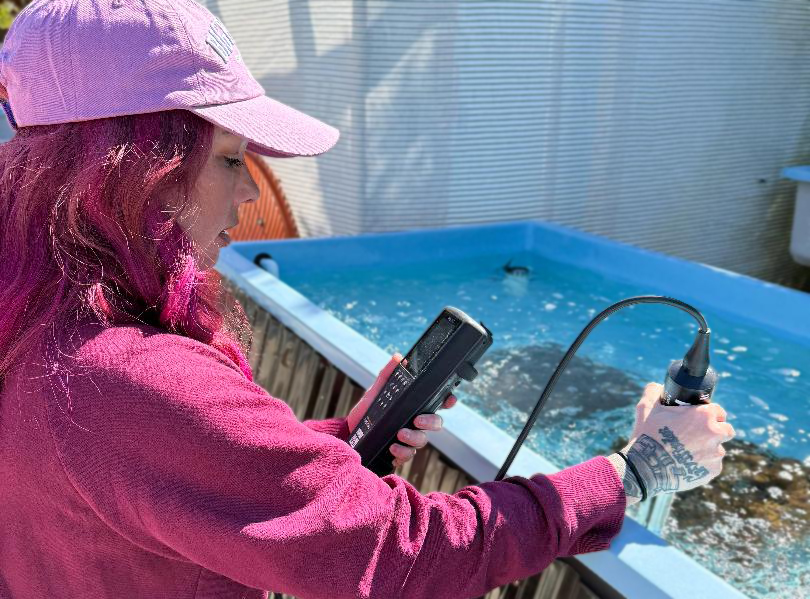
Marine Conservation Scientist
Conduct research to protect ocean species and coastal ecosystems.
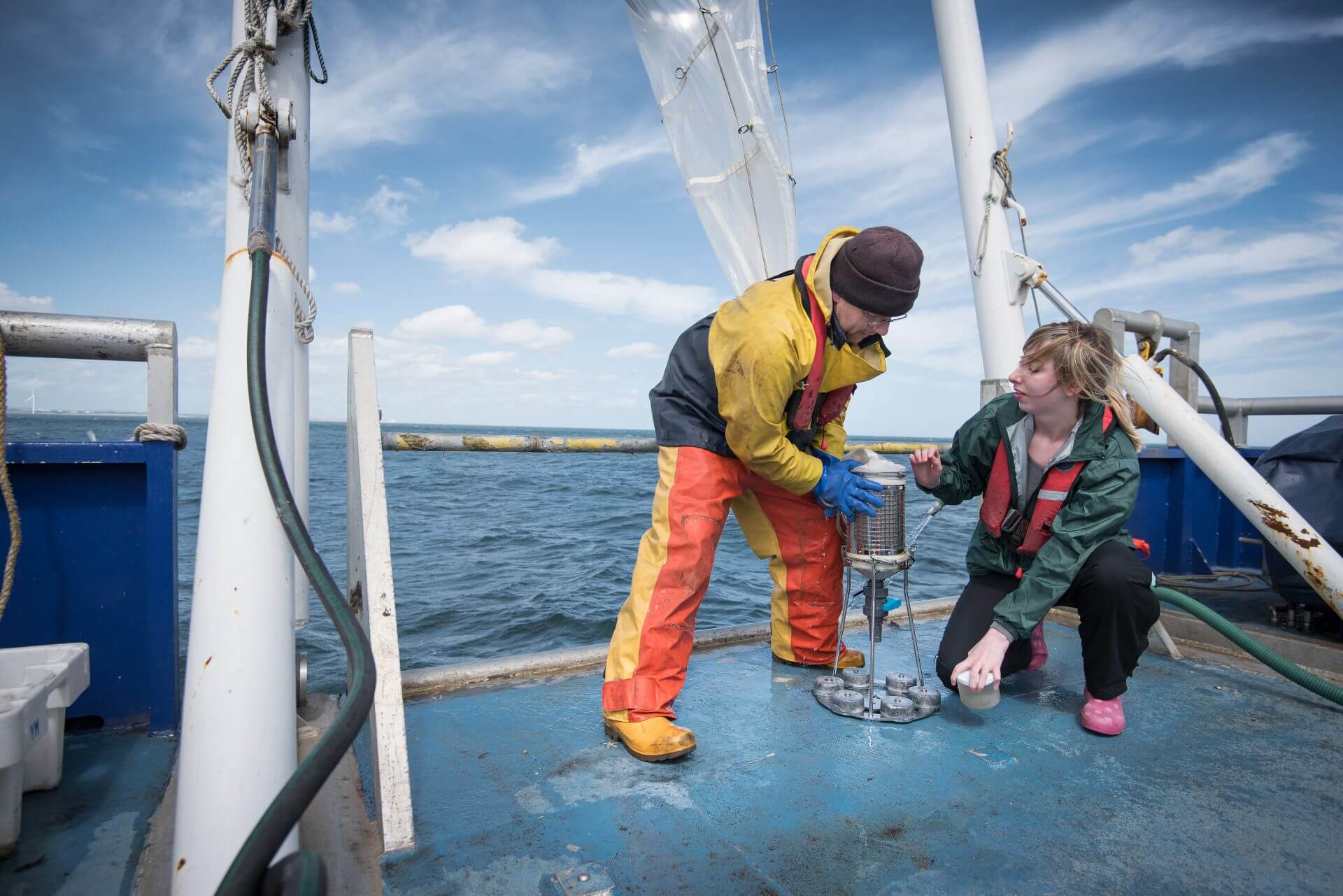

Read Tami’s Full Story“Pursuing marine biology has been the best decision I have ever made.”

Read Full Testimonial“My time at Unity has broadened my knowledge and expertise to work on real-life scenarios that I can replicate in the field.”
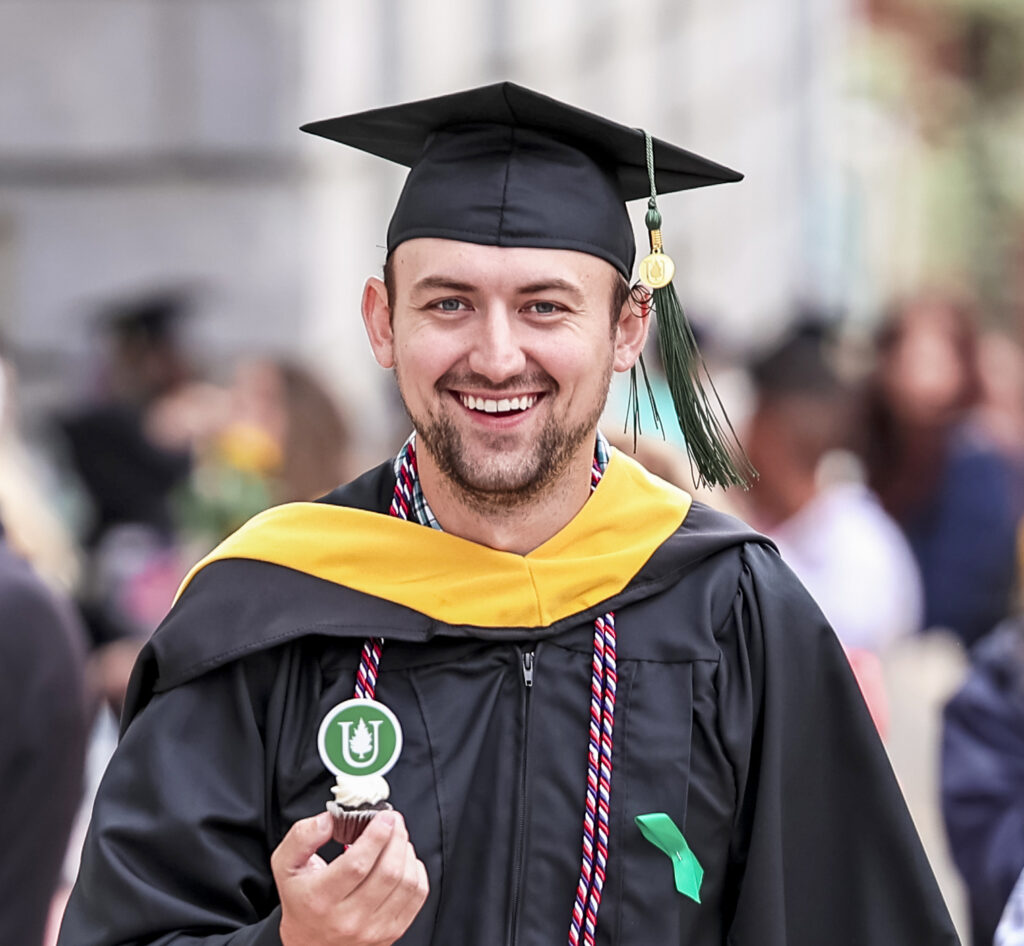

 Unity’s online programs are trusted by over 10,000 students across all 50 states.
Marine Conservation Biology is a multidisciplinary field that focuses on understanding and preserving marine ecosystems. It addresses the critical issue of marine ecosystem degradation caused by overfishing, pollution, habitat destruction, and climate change, which threaten marine biodiversity.
This graduate degree prepares you to lead science-based efforts to protect ocean ecosystems. You’ll build research fluency, quantitative methods, and geospatial analysis skills, learning to translate marine science into, practice, and conservation impact. Graduates go on to careers as marine conservation scientists, and environmental consultants, tackling challenges like overfishing, pollution, and climate change.
Your education should be affordable and manageable. Thanks to our promise to keep tuition flat through 2030, you won’t be burdened with unexpected increases or fees. Our team of new student navigators will work with you through the enrollment process to help you plan and pay for your degree. Learn more about the costs here.
The timeframe for completion is up to you! Enroll in 6 credits per term and complete the program within just one year. Alternatively, opt for part-time study by taking one course at a time. Whichever path you choose, we’re here to support your educational journey every step of the way. Contact your concierge or advisor to create your personalized plan.
Research Core: 15 credits
Major Program Core: 15 credits
For course requirements and a better look into your program, view our full course catalog. Then apply online for free to get started.
An M.S. is built around scientific research. In the M.S. in Marine Conservation Biology, that means learning to design studies, analyze ecological and spatial data, and synthesize published research. The program ends with an applied project in which you complete a rapid review and present your findings as you would to a management agency or research team. A Master of Professional Science (MPS), in many programs, puts more weight on professional and business skills, such as project management, alongside the science. If your goal is to lead research, guide conservation decisions with data, or work in policy and consulting roles that depend on scientific evidence, the M.S. is designed for that path.
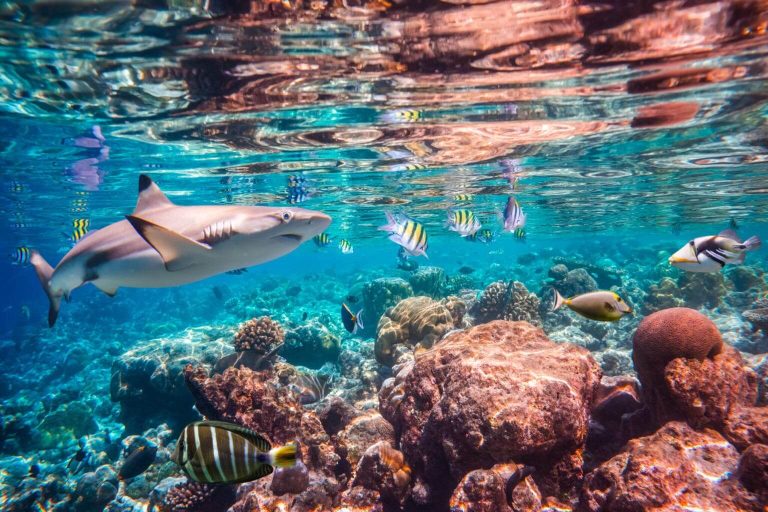
This course examines marine ecosystem interactions across temporal and spatial scales and how these interactions shape ecosystem responses to environmental variability and change. You’ll apply that foundation to a research project on ecosystem dynamics and marine conservation.
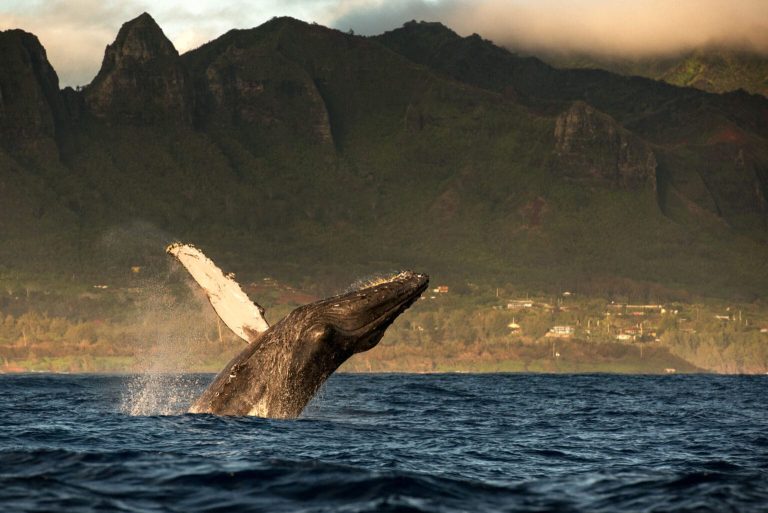
This course explores marine mammals’ identification, evolution, anatomy, behavior and ecology. It covers sampling techniques, data impacts, threats and solutions for their survival, with a focus on their unique features and evolutionary history.
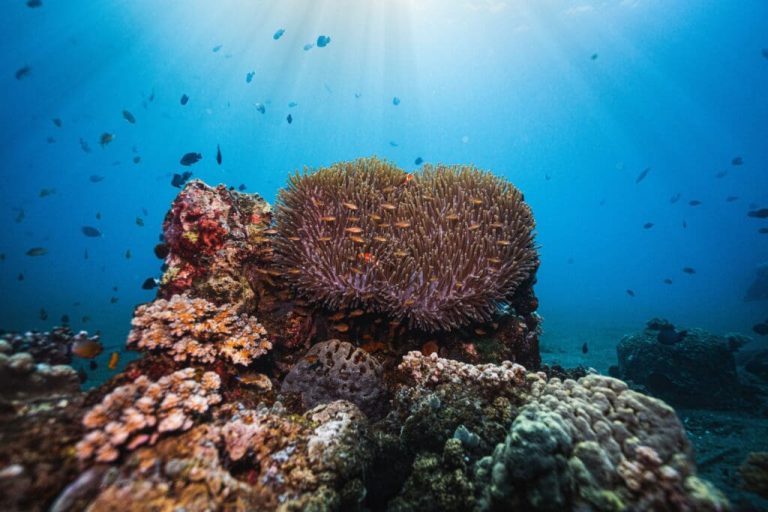
This course explores coral reef ecosystems, examining coral’s unique biology, symbiotic relationships, and global distribution. You will study threats to reef health, like climate change, disease, and local stressors, alongside strategies to conserve coral biodiversity.

Learn from Leaders
Learn More About Dr. TownsendPh.D. in Ecology, Evolution, and Marine Biology

Learn from LeadersLearn More About Dr. KumarPhD in Environmental Toxicology, MS in Coastal Zone Management, BS in Psychology


Balance life, work, and education by studying when and where you want.

Nationally recognized educational quality at an affordable price.

Up to 5 terms each year let you take breaks without affecting financial aid.

Ranked in the top 1% of universities nationwide by the Social Mobility Index.

Fast-track your Master’s degree and finish your program in as little as one year.

Dedicated to turning career and academic aspirations into tangible achievements.

Connect with experts who’ve built real careers in the field.

Focused on sustainable practices for an environmentally aware future.